Heat Pump vs Furnace: Which Is Better in 2026?
Last October, a neighbor of mine got two quotes on the same week: a 96% gas furnace for $5,800, and a cold-climate heat pump for $11,500. He called the heat pump price “ridiculous” — until his contractor pointed out that the furnace quote didn’t include the air conditioner he’d also need to replace the following summer. Comparing the whole system, not just the heater, is where most homeowners go wrong — and fall is when it matters most, because the bids you accept now decide your bills for the next 15 years.
TL;DR: A gas furnace costs less upfront for heating-only ($4,000–$8,000 installed), but a heat pump handles heating and cooling in one unit ($8,000–$15,000 installed for most homes) and typically cuts annual heating costs 30–50% in mild-to-moderate climates. There is no federal tax credit for either system in 2026 — the 25C credit expired at the end of 2025 — so your decision comes down to climate, energy prices, and whether you need cooling too.
How Each System Actually Heats Your Home
Understanding the difference starts with the physics, not the price tag.
Heat pump
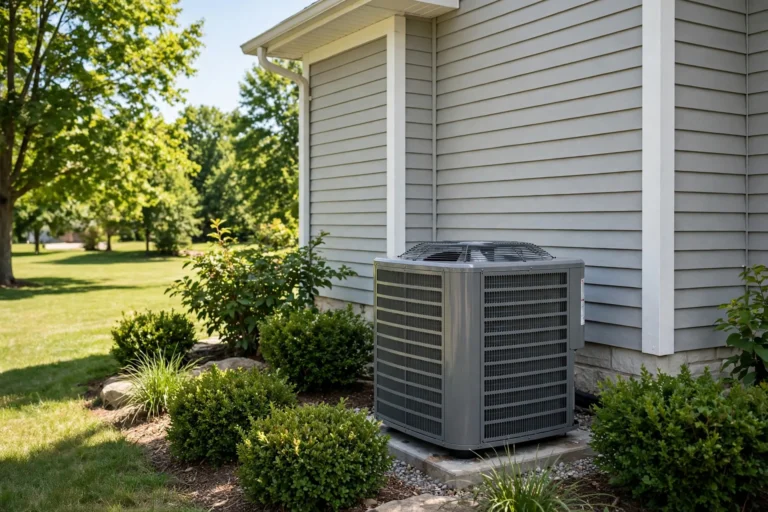
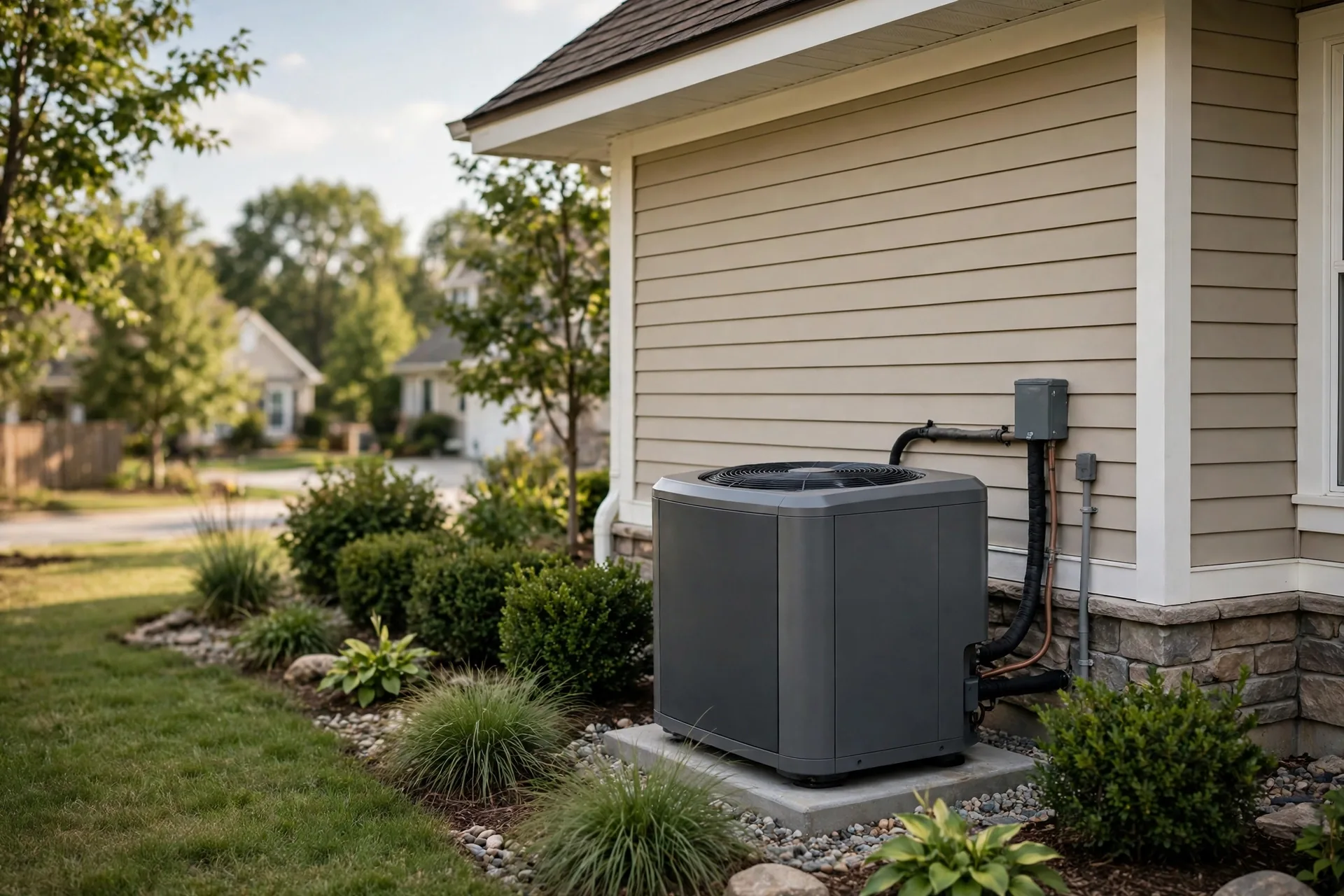
A heat pump doesn’t create heat — it moves it. In winter, it extracts warmth from outdoor air (yes, even below-freezing air holds heat energy) and transfers it inside. In summer, it reverses and works like an air conditioner. One system, year-round comfort.
Gas furnace
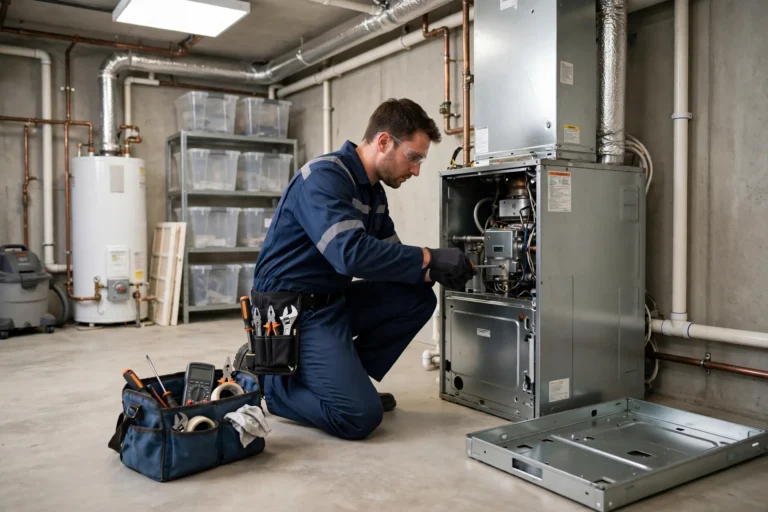
A furnace burns natural gas (or propane/oil) to create heat, then blows it through your ductwork. It handles heat only — for air conditioning, you need a separate AC unit.
The apples-to-apples rule: A heat pump replaces both a furnace and an AC. So when comparing costs, the fair matchup is heat pump vs. furnace + AC combined — not furnace alone.
The Comparison: Head to Head
| Factor | Heat Pump | Gas Furnace |
|---|---|---|
| Upfront cost (2026, installed) | $8,000–$15,000 for a standard ducted system; cold-climate models up to $13,000+ | $4,000–$8,000 for a 90–96% AFUE unit; plus $3,500–$6,000 for the AC you’d still need |
| Annual operating cost | $700–$1,100/year to heat a 2,000 sq ft home in moderate climates | $1,000–$1,400/year for a 96% AFUE gas furnace at national average energy prices |
| Lifespan | 15–20 years (one system to maintain) | 15–20 years for the furnace; the matching AC lasts only 12–15 years |
| Climate suitability | Best in mild-to-moderate winters (roughly USDA zones 4–9); cold-climate models work down to -13°F or lower | Reliable in any climate, including the coldest regions |
| Maintenance | Two service visits recommended per year (heating + cooling mode); filter changes every 1–3 months | One annual heating tune-up; filter changes every 1–3 months |
| 2026 tax credits | None federally — the 25C credit (30%, up to $2,000) ended for equipment placed in service after Dec. 31, 2025. State and utility rebates still exist in some areas. | None federally — high-efficiency gas furnaces also lost their $600 25C credit at the same cutoff. |
Upfront Cost: The Sticker Shock Is Real
- Standard gas furnace (80% AFUE): $4,000–$7,000 installed
- High-efficiency gas furnace (95–96% AFUE): $4,000–$8,000 installed
- Standard ducted air-source heat pump: $8,000–$15,000 installed
- Cold-climate heat pump: $8,000–$13,000+ installed
- Hybrid system (heat pump + gas furnace backup): $9,500–$15,000 installed
The furnace clearly wins on sticker price. But most homes need cooling too. A gas furnace + separate AC replacement runs about $7,500–$13,000 combined — at which point the heat pump’s price premium shrinks to almost nothing.
Factors that move your actual quote:
- Home size — a 2,000 sq ft home needs roughly 2.5–3 tons of capacity; bigger costs more
- Ductwork condition — leaky or undersized ducts can add $1,000–$3,000 in repairs
- Electrical panel — heat pumps may need a panel upgrade ($500–$2,000) if yours is full
- Equipment tier — variable-speed, high-efficiency models cost more but save more
PRO TIP: Always get at least three written quotes, and ask each contractor to quote both options for your home — a furnace-only replacement and a heat pump. Most contractors default to quoting whatever you already have. You won’t get a real comparison unless you ask for one.
Operating Cost: Where Heat Pumps Earn It Back
A heat pump delivers 2–4 units of heat for every unit of electricity it uses. A gas furnace, even a great one, converts at best about 0.98 units of heat per unit of fuel. For a 2,000 sq ft home at national average energy prices:
- High-efficiency heat pump: roughly $700–$1,100/year for heating
- 96% AFUE gas furnace: roughly $1,000–$1,400/year for heating
The heat pump saves $300–$500 per year in moderate climates — and it also handles cooling.
The two things that break the heat pump advantage:
- Expensive electricity. If your local rates are above roughly $0.20/kWh and gas is cheap, a gas furnace can win on operating cost.
- Extreme cold. Below about 0–10°F, standard heat pumps lose efficiency and lean on backup resistance heat. Cold-climate models push that threshold down to -13°F or lower, but they cost more upfront.
Climate Suitability: Where You Live Decides
- Southeast, South, Mid-Atlantic, Southwest, West Coast: Heat pumps are the clear winner.
- Midwest, inland Northwest: A cold-climate heat pump usually works fine — but price a hybrid (dual-fuel) system too.
- Upper Midwest, New England, Mountain West: Gas furnaces still rule where winter regularly drops below -10°F.
Maintenance and Lifespan
- Heat pump: Two professional service visits per year recommended, plus filter changes every 1–3 months. Expected life: 15–20 years.
- Gas furnace: One annual tune-up each fall. Expected life: 15–20 years, but the AC unit you’d pair it with typically dies sooner, at 12–15 years.
The 2026 Tax Credit Situation (Read This Before You Budget)
- The federal Section 25C credit is gone for 2026. No $2,000 heat pump credit and no $600 furnace credit for installs this year.
- If you installed in 2025, you may still claim the credit on your 2025 return. Talk to a tax professional.
- What’s still alive in 2026: state tax credits, utility rebates, and manufacturer promotions. Check your state energy office and your utility’s rebate page before you sign a contract.
Pros and Cons
Heat pump — the case for it:
- Pros: Heats and cools in one system; 30–50% lower heating bills in moderate climates; no gas line, venting, or combustion risk; qualifies for state/utility rebates.
- Cons: Higher upfront cost; less efficient in extreme cold; needs twice-yearly service; may require electrical panel upgrades.
Gas furnace — the case for it:
- Pros: Lower upfront cost; dependable in the coldest climates; simpler technology many contractors know well; gas is still cheap in many regions.
- Cons: Heating only — you still need an AC; higher annual operating costs in most scenarios; combustion appliance with ongoing maintenance and venting requirements.
Bottom Line
- Choose a heat pump if you live in a mild-to-moderate climate, your electricity rates are reasonable, and you need both heating and cooling.
- Choose a gas furnace if you live in a very cold climate with cheap natural gas, already have a working AC, or your home lacks the electrical capacity for a heat pump without costly upgrades.
- Consider a hybrid (dual-fuel) system if you live in a borderline climate.
- Compare whole-system costs, not heater-to-heater. Furnace + AC vs. heat pump is the only honest math.
- Budget without federal credits. Nothing federal applies to 2026 installs — check state and utility rebates instead.
Frequently Asked Questions
Can a heat pump fully replace a furnace?
In mild-to-moderate climates, yes — a properly sized heat pump handles the entire heating season. In cold regions (regularly below 0°F), you’ll want either a cold-climate model rated for extreme temperatures or a hybrid system with furnace backup.
How much does it cost to switch from a gas furnace to a heat pump?
Most conversions run $8,000–$15,000, depending on ductwork, electrical upgrades, and equipment tier. The biggest surprise cost is often the electrical panel — have your contractor check it before quoting.
Is a heat pump cheaper to run than a gas furnace?
Usually, yes — in most U.S. regions, a heat pump costs 30–50% less per year to heat a typical home. The exception is areas with very expensive electricity and cheap natural gas, where a high-efficiency furnace can still win.
How long does a heat pump last?
15–20 years with regular maintenance — about the same as a furnace. The advantage is that one heat pump replaces both a furnace and an air conditioner, so you avoid a second replacement cycle.
Are there any tax credits for heat pumps in 2026?
No federal credits for equipment installed in 2026 — the 25C credit ended for property placed in service after December 31, 2025. State and utility rebates still
exist in many areas, so check your state energy office before you buy.