Whole-House Repipe Cost in 2026: PEX vs. Copper by Home Size
A homeowner with a rental property got two quotes from the same plumbing company, one year apart: $15,000 the first year, $29,000 the next — for the same house. He’d already spent $7,000 on patch repairs for recurring leaks. If you’re researching whole house repipe cost because your pipes are failing faster than you can patch them, that story contains the three truths of this project: quotes vary wildly, patch jobs add up, and at some point replacement beats repair.
A whole-house repipe means replacing all the hot and cold water supply lines in your home — usually because galvanized steel pipes are corroding from the inside, pinhole leaks keep appearing, or water pressure and quality have degraded beyond fixing. Here’s what it actually costs in 2026, what drives the price, and how to tell when it’s time.
TL;DR
A whole-house repipe costs $4,000–$15,000 for most single-family homes in 2026, with a national average near $7,500. PEX ($4,000–$10,000) is the budget choice with a 40–50 year lifespan; copper ($8,000–$18,000+) lasts 50–70 years but costs roughly double. Labor is about 70% of the total. Get at least three quotes — prices for the same house can differ by $10,000+. Standard quotes include supply lines, fixture connections, pressure testing, and basic drywall patching; permits, full repainting, and drain lines are usually extra.
The Short Answer: What It Costs in 2026
National numbers, based on contractor quotes and homeowner reports:
- National average: ~$7,500
- Typical range: $4,000–$15,000 for most single-family homes
- Small homes (1–2 baths): $4,000–$8,000
- Medium homes (1,500–2,000 sq ft, 2 baths): $6,500–$12,000
- Large/multi-story (3,000+ sq ft, 3+ baths): $10,000–$25,000+
One real-world data point: a 2,400 sq ft, 4-bedroom/3-bath home in Southern California repiped in PEX for $16,000 with a 10-year workmanship guarantee — right in line with the high-cost-region range. In lower-cost regions like Texas, the same job might run $4,500–$11,500.
Cost by Home Size and Layout
| Home size | Bathrooms | PEX repipe | Copper repipe |
|---|---|---|---|
| <1,200 sq ft (small/ranch) | 1–2 | $4,000–$8,000 | $8,000–$14,000 |
| 1,500–2,000 sq ft | 2 | $6,500–$12,000 | $11,000–$18,000 |
| 2,000–3,000 sq ft | 2–3 | $8,000–$15,000 | $14,000–$22,000 |
| 3,000+ sq ft / multi-story | 3+ | $10,000–$25,000+ | $18,000–$35,000+ |
Multi-story homes cost more because plumbers must route pipes between floors — more drywall cuts, more labor hours. Homes on slabs vs. crawlspaces vs. basements also differ: easy under-house access (crawlspace/basement) cuts labor significantly versus jackhammering through a slab.
PEX vs. Copper vs. CPVC: The Honest Comparison
This is the decision that swings your quote by thousands, and homeowners argue about it endlessly. Here’s the straight version:
| PEX | Copper | CPVC | |
|---|---|---|---|
| Typical whole-house cost | $4,000–$10,000 | $8,000–$18,000+ | $5,000–$11,000 |
| Lifespan | 40–50 years | 50–70 years | 40–50 years |
| Installation | Flexible — snakes through walls with fewer joints and cuts | Rigid — more joints, more drywall opened | Rigid plastic — glued joints |
| Freeze resistance | Excellent — expands without bursting | Poor — bursts when frozen | Fair |
| Water quality concerns | Some homeowners dislike plastic taste/chemical questions | Proven for a century; can corrode in acidic water | Can become brittle with age |
| Best for | Budget jobs, cold climates, retrofits | Forever homes, purists, high-value properties | Budget alternative where code allows |
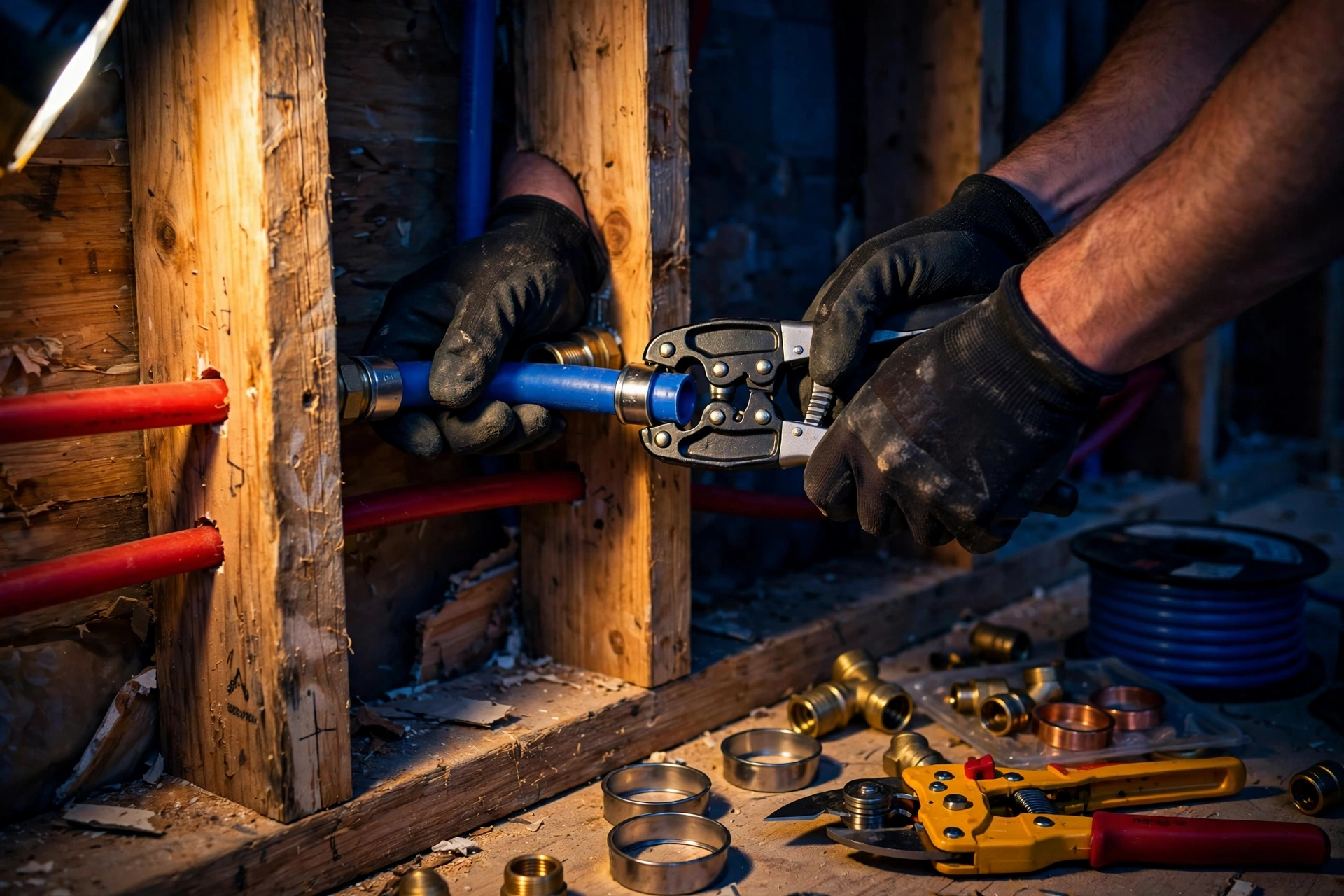
The practical take: most plumbers today recommend PEX for repipes — it’s cheaper, faster to install (fewer wall openings), and handles freezing far better. Copper’s fans argue nothing beats its track record and it adds perceived value at resale. Both are legitimate; the “wrong” choice is usually just the overpriced one. Get quotes for both materials from the same contractor and compare.
What the Quote Includes (and What’s Extra)
This is where homeowners get burned. A “repipe quote” is not a fixed scope — always ask what’s in and what’s out.
Usually included: hot and cold water supply lines throughout the house, connections to every fixture, pressure testing of the new system, basic drywall cuts needed for access, and rough patching of those cuts.
Commonly extra:
- Permits: $50–$500 depending on municipality
- Full drywall finishing — patching vs. texturing vs. repainting are three different things; a “patch” may mean unpainted rectangles on your walls ($300–$2,000+ to finish properly)
- Water main replacement (street to house): $600–$2,500 — often needed on the same aging homes
- Water heater replacement: $850–$1,750 — many homeowners bundle it while walls are open
- Drain, waste, and vent (DWV) lines: usually NOT included — a supply-line repipe doesn’t touch your drains
PRO TIP
Ask every bidder the same question in writing: “Does your price include permits, full drywall texture and paint to match, and haul-away?” The cheapest quote is often the one that excludes the most. A bid that looks $3,000 cheaper but leaves you hiring a drywall crew separately isn’t cheaper.
6 Signs It’s Time to Repipe (Not Just Repair)
- Pinhole leaks keep appearing. One leak is a repair; three in two months — as one homeowner discovered in a 1984 house — means the whole system is failing from the inside.
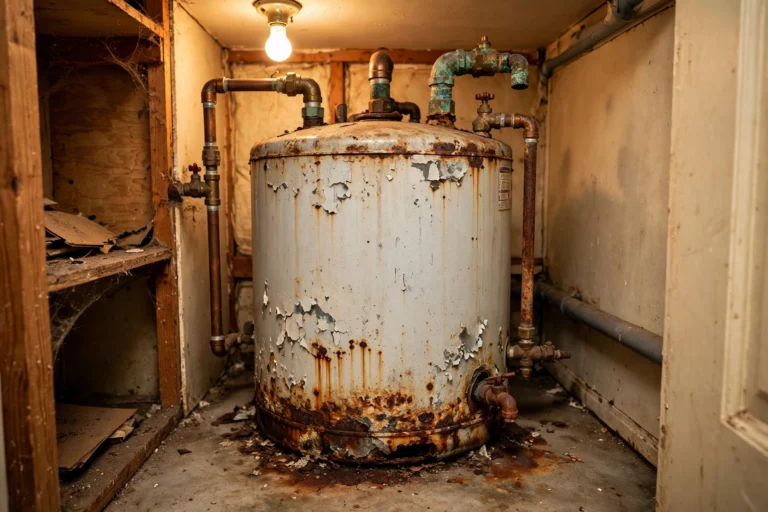
- Galvanized steel pipes. If your home (typically pre-1970s) still has galvanized supply lines, they’re corroding internally right now. Rust-colored water and shrinking inner diameter are the symptoms.
- Discolored or rusty water when you first turn on taps, especially after the water sits overnight.
- Water pressure dropping house-wide with no fixture-level cause — corrosion narrows old pipes from the inside (see our guide to low water pressure causes and fixes to rule out simpler culprits first).
- Patch repair bills adding up. $7,000 in leak patches over a few years buys a significant chunk of a repipe — with nothing to show for it.
- Visible corrosion on exposed pipes — flaking, rust streaks, or green/white crust at joints.
Two or more of these together means start getting quotes. One alone usually means repair and monitor.
Is Repiping Worth It?
If it’s your forever home: yes, once the signs above stack up. A repipe ends the leak-repair cycle permanently, restores full water pressure, improves water quality, and removes the anxiety of the next ceiling stain. Our guide to signs of a hidden water leak shows what those “small” leaks turn into when old pipes keep failing.
If you’re selling soon: a repipe rarely returns 100% at resale, but galvanized pipes in bad shape can kill deals or trigger insurance problems — some insurers won’t write policies on homes with corroded galvanized supply lines. In that case it’s less an investment than a transaction enabler.
If it’s a rental: run the math coldly. Years of leak patches, tenant complaints, and water damage repairs versus one repipe with a workmanship warranty. The landlord in our opening story spent $7,000 on patches before the $16,000 repipe — the patches were the expensive choice.
How to Get Quotes That Mean Something
Repiping quotes are the Wild West — remember the $15,000-to-$29,000 swing from the same company. Protect yourself:
- Get at least three quotes, and make them itemized: material type and brand, linear feet, fixture count, permit handling, and exact drywall/paint scope.
- Ask for PEX and copper pricing separately from each bidder — the material markup varies enormously.
- Check the warranty in writing — 10-year workmanship warranties are common from reputable repipe specialists; get it on paper, not verbal.
- Ask how many days and whether you can live in the house — most repipes take 2–5 days, and crews usually keep one bathroom working throughout.
- Verify licensing and insurance, and check reviews specifically mentioning repipes (not just drain cleanings).
PRO TIP
Repipe specialists (companies that do repipes all day, every day) consistently quote lower and finish faster than general plumbers who repipe occasionally. If your area has one, get their bid first and use it as your baseline.
Frequently Asked Questions
How much does it cost to repipe a 2,000 square foot house?
Roughly $8,000–$15,000 in PEX or $14,000–$22,000 in copper for a typical 2,000 sq ft home with 2–3 bathrooms. Single-story homes on crawlspaces land at the lower end; two-story homes with slab foundations at the higher end.
Is it worth it to repipe a house?
If you have galvanized pipes with recurring pinhole leaks, yes — the patch-repair treadmill costs more over time and each leak risks water damage. If your pipes are copper or PEX in good shape with a single isolated leak, repair is the smarter money.
How long does a whole-house repipe take?
Most single-family repipes take 2–5 days of active work. PEX jobs run faster (flexible pipe, fewer wall openings); copper takes longer. Full drywall texture and paint can add several more days.
Can you live in the house during a repipe?
Usually yes. Crews typically keep at least one bathroom functional and restore water each evening. You’ll have drywall dust and workers for a few days — annoying, not uninhabitable.
Does a repipe include the sewer line?
No. A standard “whole-house repipe” covers water supply lines only. Drain, waste, vent lines and the main sewer lateral are separate systems with separate quotes.
PEX or copper — which should I choose?
PEX wins on price, install speed, and freeze resistance; copper wins on track record and resale perception. For most homeowners, PEX is the rational choice — but get both prices and decide with real numbers, not forum arguments.
Key Takeaways
- Budget $4,000–$15,000 (avg ~$7,500) for most homes; PEX roughly halves the cost of copper.
- Labor is ~70% of the job — material choice and home layout drive the rest.
- Quotes vary enormously: get three itemized bids, and compare PEX vs copper from each bidder.
- Nail down the scope in writing: permits, drywall texture/paint, and what’s excluded (drains, water main, heater).
- Recurring pinhole leaks, galvanized pipes, and mounting patch bills mean it’s repipe time — not another repair.
- Repipe specialists are usually cheaper and faster than general plumbers for this specific job.