The Best Christmas Tree Brands for Every Home and Budget
TL;DR
If you are shopping for the best christmas tree brands, start with Balsam Hill for realism, National Tree Company for value, and King of Christmas for a premium Fraser fir. Budget shoppers should look at Best Choice Products and Puleo.
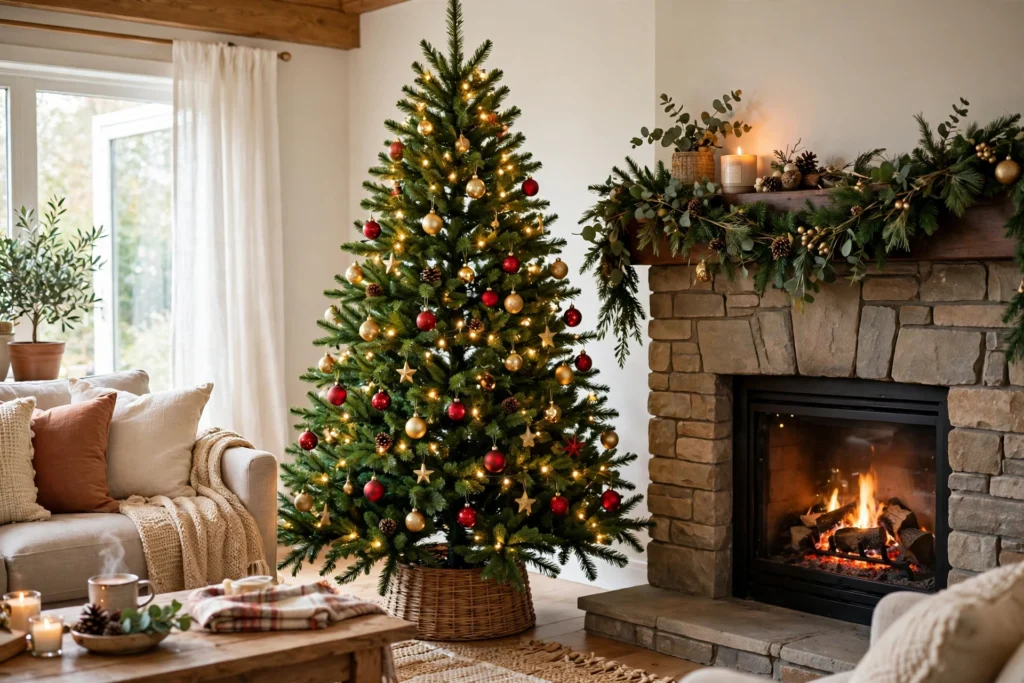
A Christmas tree is the one decoration every guest notices, and the brand you buy decides whether it still looks good in year eight or sags by year three. If you are comparing the best christmas tree brands before spending hundreds of dollars, the market has a clear pecking order — and the right pick depends more on your budget and room than on any single brand name.
The method behind this guide is simple: we compared the brands that show up again and again in hands-on tests and owner reviews, then ranked them on realism, build quality, lighting, and price. Our guide to when to put up your Christmas tree pairs well with this one. Every price below is a rough planning estimate, not a quote.
This guide covers the top-rated premium picks, the affordable brands, flocked and pre-lit options, the real-versus-artificial math, and the sizing mistakes behind most returns.
Which Are the Best Christmas Tree Brands for Realism?
For the most realistic look, the best christmas tree brands are Balsam Hill, National Tree Company, and King of Christmas. Balsam Hill leads on close-up realism with molded PE needles and layered branch tips, while National Tree Company offers strong realism at a lower price. King of Christmas sits between them, with full, lifelike Fraser firs that photograph beautifully.
Realism comes down to the needle material. Cheap trees use flat PVC needles cut from film, which look fine from across the room but flat and shiny up close. The best christmas tree brands mix in PE needles, injection-molded from casts of real branches, for a three-dimensional shape and softer color.
Tip count matters too, but only up to a point. A 7.5-foot Balsam Hill Classic Blue Spruce carries around 2,960 tips, while a National Tree Company Douglas fir has about 1,867 — yet both look full, because shaping and needle mix matter as much as the raw number. In a store, step back ten feet, then step in close: the tree that still looks real at both distances is the one to buy.
Is Balsam Hill or National Tree Company the Better Buy?
National Tree Company is the better buy for most homes, while Balsam Hill wins if you want the most realistic tree money can buy. A 7.5-foot National Tree Company Douglas fir runs about $300 to $650 pre-lit, versus about $480 to $900 for a comparable Balsam Hill spruce. Buy National Tree Company for value, Balsam Hill for showpiece realism.
The price gap buys you details. Balsam Hill trees use more varied branch-tip designs and mixed needle shading, so they look more convincing up close, and many models include a storage bag and a three-year warranty. Among the best christmas tree brands, National Tree Company counters with Feel Real branch tips and dual-color LED lights that switch between white and multicolor with a foot pedal.
The crowd wisdom matches the testing. On Reddit’s r/BuyItForLife, the most-upvoted answer in a recent most-realistic-tree thread was simple: Balsam Hill if you can afford it, National Tree Company if you want cheaper but still decent quality. That is the whole decision in one sentence — National Tree Company for the family room, Balsam Hill for the showpiece tree.
| Brand | Best for | 7.5 ft pre-lit price | Standout feature |
|---|---|---|---|
| Balsam Hill | Most realistic | About $480–$900 | Molded PE needles, Flip Tree option |
| National Tree Company | Best overall value | About $300–$650 | Feel Real tips, dual-color LEDs |
| King of Christmas | Premium Fraser fir | About $400–$800 | 1,000 LED microlights |
| Best Choice Products | Tightest budget | About $85–$250 | Affordable flocked and pencil trees |
Should You Buy a Real Tree or an Artificial Tree?
Buy an artificial tree if you want a one-time purchase you can reuse for years, and buy a real tree if you love the fresh pine scent and the yearly trip to the lot. Real trees cost about $70 to $150 each year, while a good artificial tree costs about $150 to $900 once and lasts 6 to 10 years.
For the best christmas tree brands, the math favors artificial trees only if you keep them long enough. A premium tree around $800 to $1,000 breaks even at roughly year six to eight, while a budget tree around $150 to $250 breaks even much sooner. A real tree also costs five to eight hours a season, versus about 30 minutes for a pre-lit artificial tree.
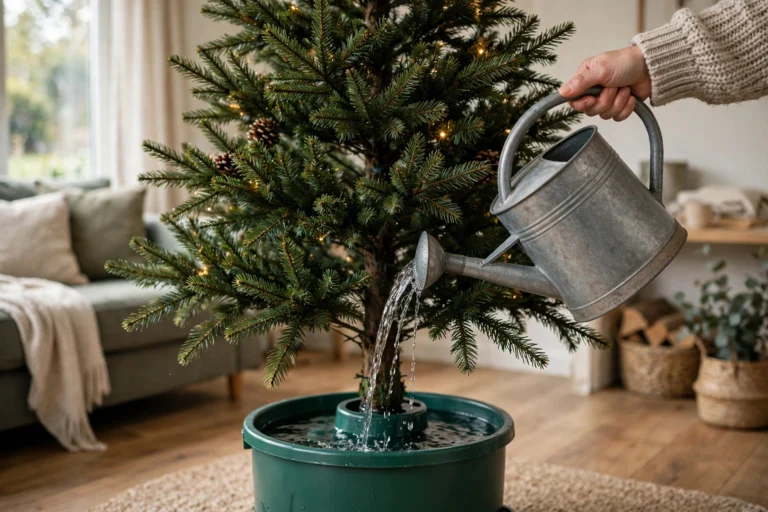
Real trees still win on the things money cannot buy. Nothing matches the smell of a fresh Fraser fir, and many families treat the lot visit as part of the holiday itself. A real tree lasts three to six weeks indoors with daily watering of about a quart to a gallon a day. Ask one question first: do you want a tradition, or do you want convenience?
| Option | Upfront cost | 10-year cost |
|---|---|---|
| Real tree | About $70–$150 a year | About $900–$1,600 |
| Budget artificial | About $150–$250 | About $300–$500 |
| Premium artificial | About $800–$1,000 | About $850–$1,300 |
What Is the Best Christmas Tree Brand on a Budget?
Best Choice Products and National Tree Company offer the best value for shoppers on a budget. Best Choice Products sells full pre-lit trees for about $85 to $250, while National Tree Company gives you better realism and sturdier branches for about $150 to $400. Both beat buying a cheap unbranded tree that sheds needles and loses lights.
The budget trap is buying the cheapest tree on the shelf and replacing it in three years. A no-name tree at $60 often has thin branches, a wobbly stand, and lights wired in a single string, so one dead bulb darkens a whole section. Best Choice Products avoids most of that with hinged branches and a usable stand. Puleo’s Aspen fir runs about $200 to $350 and carries a longer warranty than most budget brands.
Spend your budget where it shows: branch fullness and a sturdy metal stand first, extra lights second. A tree from one of the best christmas tree brands at the low end of its range will outlast a no-name tree at the same price, because the frame, hinge, and stand are where cheap trees fail first.
PRO TIP
Buy your tree the week after Christmas if you can wait — last year’s models from top brands often drop 50 percent or more.
Which Brands Make the Best Flocked and Pre-Lit Trees?
King of Christmas and National Tree Company make the best flocked and pre-lit trees for most buyers. King of Christmas flocked Fraser firs look freshly snowed-on and hold their flocking well, while National Tree Company offers dual-color LED trees with white or multicolor settings at a friendlier price.
Flocking is the fake snow dusted on the branches, and quality varies. Good flocking stays put through setup and storage, while cheap flocking sheds white dust every time you touch a branch. Among the best christmas tree brands, King of Christmas earns its reputation here, and Best Choice Products makes a solid budget flocked pencil tree.
Pre-lit trees are about the lights, and the rule of thumb is roughly 100 lights per foot of tree. A 7.5-foot tree should carry around 750 lights, and the best christmas tree brands hit or beat that number — King of Christmas packs 1,000 LED microlights into its Fraser fir, and National Tree Company’s Douglas fir carries 750 dual-color LEDs. Look for lights wired in sections, so one dead bulb does not kill the whole tree.

What Size Tree Should You Buy for Your Room?
Measure your ceiling first, then buy a tree at least 12 inches shorter so the topper fits. A 7.5-foot tree suits standard 8-foot ceilings, a 6-foot tree fits apartments and smaller rooms, and a 9-foot tree needs ceilings of 10 feet or more. Always measure the width too, since full trees can span 5 feet across.
Height gets all the attention, but width causes most returns. A full 7.5-foot tree can measure about 59 to 60 inches wide. Slim trees from the best christmas tree brands run about 30 to 40 inches wide, fit a corner or an apartment, and still hold a full set of ornaments. Measure your floor space with painter’s tape before you order.
Match the tree to the room, not the other way around. A tall tree in a low room looks cramped, and a short tree in a great room looks lost.

How Long Do Artificial Trees From the Best Christmas Tree Brands Last?
A quality artificial tree from the best christmas tree brands should last 6 to 10 years, and premium trees often last even longer. Lifespan depends on how you store it, how often you assemble it, and whether the lights are built in. Store it dry, in its box or a storage bag, and it will hold up season after season.
Storage is where most trees die early. A tree shoved into a damp garage or a baking attic will fade and shed needles faster than one kept dry in its original box or a padded storage bag. Fold the branches gently, and keep the stand and hardware in a labeled bag. Pre-lit trees fail sooner than unlit ones, because the light strings age even when the branches are fine.
The long view is what makes a premium tree worth it. Most people keep their artificial trees about ten years, and a premium tree that survives a decade costs less per Christmas than a real tree every year. When you compare the best christmas tree brands, check the warranty: three years signals a frame built to last, while a 90-day warranty tells you what the maker expects.
PRO TIP
Photograph your tree once it is decorated, then use the photo as a map next December. You will hang ornaments faster and spot a dead light section before the tree goes up.
When Is the Best Time to Buy a Christmas Tree?
The best time to buy is late November for the widest choice, or the week after Christmas for the deepest discounts of 50 percent or more. Pre-lit trees from top brands sell out in popular sizes by mid-December, so shop early if you want a specific height. After Christmas, buy next year’s tree at half price.
Timing also decides what you pay for a real tree. Lots open in late November, and the best-shaped Fraser firs go first. Prices hold steady through December, then drop sharply in the final days before Christmas as lots clear out. If you buy a real tree, plan the stand and skirt first — see our Christmas tree skirt guide, and our Christmas lights hanging guide once the tree is up.
For the best christmas tree brands, the calendar works in reverse. Black Friday brings the best combination of choice and discount, with top brands often marked down 30 to 50 percent, while the week after Christmas is cheaper still but thinner on sizes. Do not buy a tree you cannot store — a 9-foot bargain is no deal if it lives in your hallway for eleven months.

Frequently Asked Questions
What is the best artificial Christmas tree brand overall?
Balsam Hill is the most realistic of the best christmas tree brands, and National Tree Company is the best all-around value. Balsam Hill wins on close-up realism and build quality, while National Tree Company gives you strong realism, dual-color LED lights, and a much friendlier price.
Are expensive Christmas trees worth it?
Yes — among the best christmas tree brands, a premium tree pays off if you keep it for many years. A premium tree around $500 to $900 that lasts ten seasons costs about $50 to $90 per Christmas, while a real tree costs $70 to $150 every single year.
Which of the best christmas tree brands is best for small spaces?
Best Choice Products and National Tree Company both make slim and pencil trees for apartments and corners. A 6-foot slim tree runs about 30 to 40 inches wide and costs about $85 to $250. Measure your ceiling and floor space first, then pick a height that leaves room for a topper.
Is a pre-lit tree better than an unlit tree?
A pre-lit tree saves about an hour of setup, but the lights are the part most likely to fail. Unlit trees last longer and let you choose your own lights. Either way, check that replacement bulbs are available.
How do I choose between the best christmas tree brands?
Start with your budget and your room, not the brand name. Set a price range, measure your ceiling and floor space, then pick the brand with the fullest tree and best warranty in that range. Balsam Hill for realism, National Tree Company for value, King of Christmas for flocked firs, and Best Choice Products for a tight budget.
Do artificial Christmas trees look fake?
Cheap ones do, but the top brands genuinely do not from a normal room distance. Molded PE needles, mixed needle colors, and layered branch tips are what separate a realistic tree from a green bottle brush. If it still looks real from ten feet away in the store, it will look real at home too.
Final Thought
The right tree is the one that fits your room, your budget, and the number of years you plan to keep it. Balsam Hill is the showpiece, National Tree Company is the smart buy, King of Christmas owns the Fraser fir and flocked looks, and Puleo and Best Choice Products cover the affordable end. The best christmas tree brands all share the same traits — full branches, sturdy stands, honest warranties — so pick the one that matches your home.
Once the tree is up, the rest of the room comes together fast. Hang the lights, lay the skirt, and let the tree pull the whole house into the holiday. If you are still deciding between the best christmas tree brands, remember the simplest test — buy the tree that looks real from ten feet away, fits your ceiling with room to spare, and comes from a brand that will still be around when you need a replacement bulb.