How Long Does a Roof Last? Lifespans by Material, Plus the Signs Yours Is Done
TL;DR
How long does a roof last? Asphalt shingles last 15–30 years, architectural shingles 25–30, wood shakes 20–40, metal 40–70, clay or concrete tile 50–100, and slate 75–150 years. The material sets the range, but installation quality, ventilation, and climate decide where in the range your roof lands. A roof near the end of its lifespan with curling shingles, granule loss, or leaks in more than one place is a replacement candidate — a roof well inside its lifespan with one leak is usually a repair.
How long does a roof last is the first question every homeowner asks when the roof starts showing its age — and the honest answer is a range, not a number. The material sets that range, but the roof’s real life depends on how well it was installed, how well the attic breathes, and what the weather has done to it since. This guide gives the lifespan of every common roofing material, the replacement costs, the factors that shorten or extend a roof’s life, and the signs that tell you whether to repair or replace.
How Long Does a Roof Last by Material?
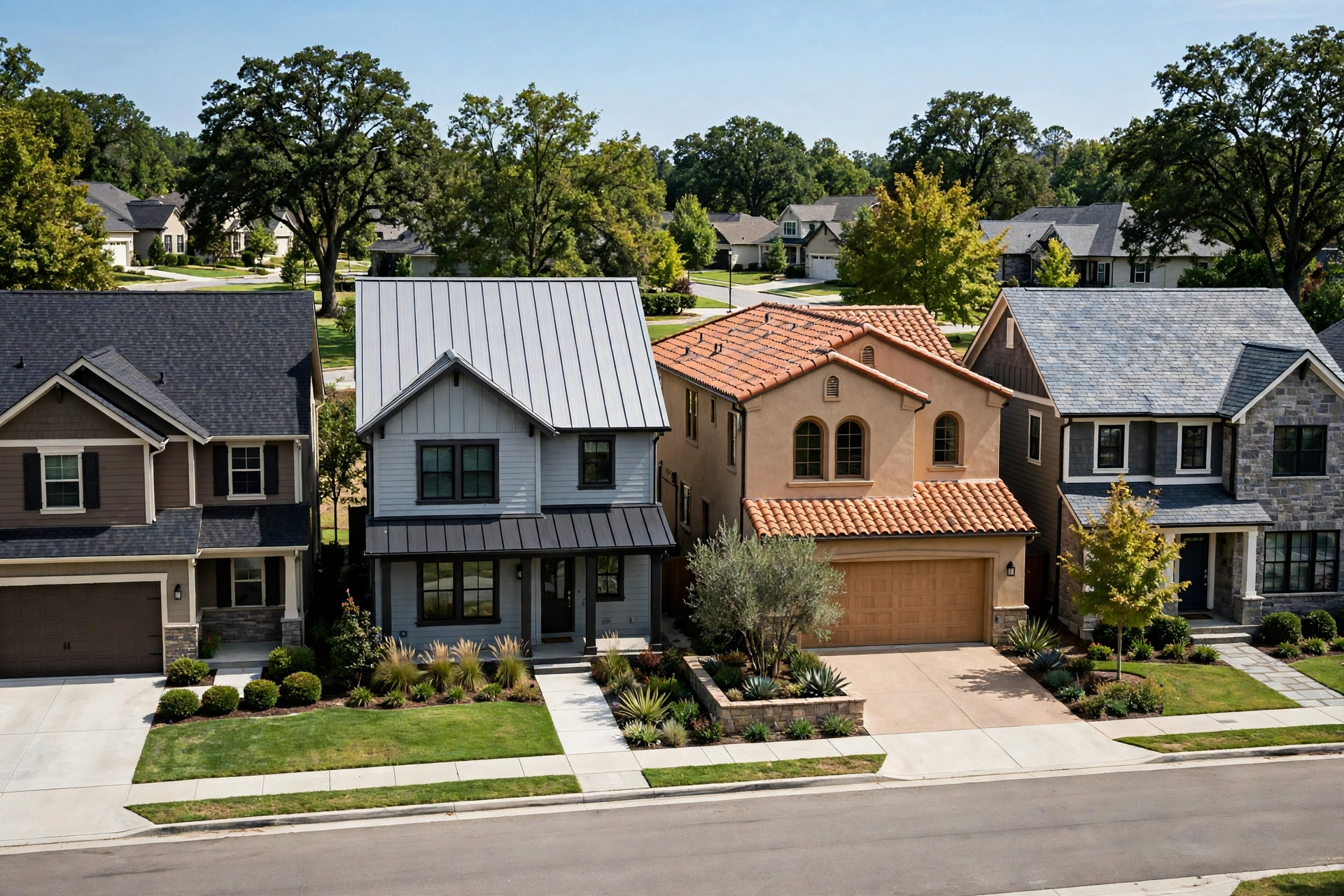
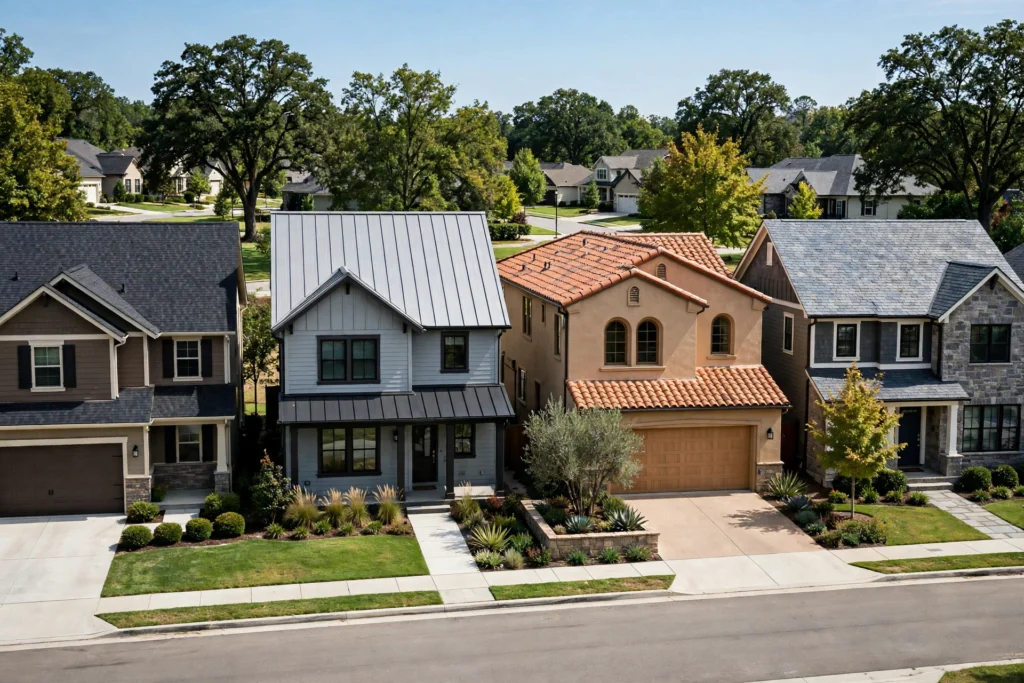
Asphalt shingles last 15–30 years, wood shakes 20–40, metal roofing 40–70, clay or concrete tile 50–100, and slate 75–150 years. Architectural shingles — the thicker, layered kind — sit at the top of the asphalt range at 25–30 years, while basic three-tab shingles sit at the bottom at 15–20.
| Material | Lifespan | Rough replacement cost (typical home) |
|---|---|---|
| Three-tab asphalt shingles | 15–20 years | $8,000–$12,000 |
| Architectural asphalt shingles | 25–30 years | $10,000–$16,000 |
| Wood shakes / shingles | 20–40 years | $15,000–$30,000 |
| Metal (standing seam) | 40–70 years | $18,000–$35,000 |
| Clay or concrete tile | 50–100 years | $20,000–$40,000 |
| Slate | 75–150 years | $30,000–$60,000+ |
Costs are rough planning estimates, not quotes — prices vary by region, roof size, pitch, and labor. The table’s real lesson is the trade-off: asphalt is cheap and short-lived, metal costs about twice as much and lasts about twice as long, and tile and slate are lifetime roofs with lifetime prices. When you compare materials, divide the cost by the years: a $12,000 asphalt roof that lasts 20 years costs $600 a year, while a $25,000 metal roof that lasts 50 years costs $500 a year — the expensive roof is often the cheaper one over time.
What Shortens a Roof’s Life?
Poor ventilation shortens a roof’s life more than any other single factor, followed by bad installation, severe weather, and neglected maintenance. A roof that bakes from below in a hot attic and freezes from above in winter ages years faster than a well-ventilated one.
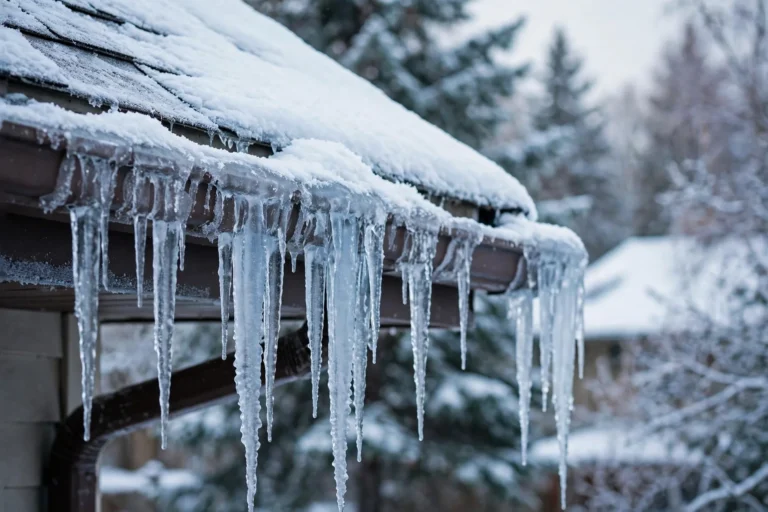
Ventilation is the hidden killer. An attic that traps heat in summer cooks the shingles from underneath, drying out the asphalt and curling the edges years early. In winter, the same trapped heat melts snow on the roof, which refreezes at the eaves into ice dams — and ice dams lift shingles and force water under them. A second, quieter killer is installation: shingles nailed too high, flashing skipped around a chimney, or a valley done wrong will fail in the first few years no matter how good the material is. Storms, hail, and falling branches do the rest, and a roof that never gets its gutters cleaned or its moss removed will hold moisture against the shingles until they rot.
What Extends a Roof’s Life?
Good attic ventilation, regular gutter cleaning, prompt repair of damaged shingles, and keeping trees trimmed back from the roof are the four things that extend a roof’s life the most. A roof that is inspected once a year and repaired promptly can outlast its rated lifespan by years.
The maintenance list is short and cheap compared with a replacement. Clean the gutters twice a year so water does not back up under the shingles. Trim branches that touch or overhang the roof — they scrape granules off shingles in the wind and drop leaves that hold moisture. Replace a cracked or missing shingle the week you notice it, not the season after, because one missing shingle lets water into the layer below. And keep the attic ventilated: ridge vents plus soffit vents, with insulation that does not block the airflow, are the standard setup and the one that pays for itself in roof life.
How Do You Know When a Roof Is Done?
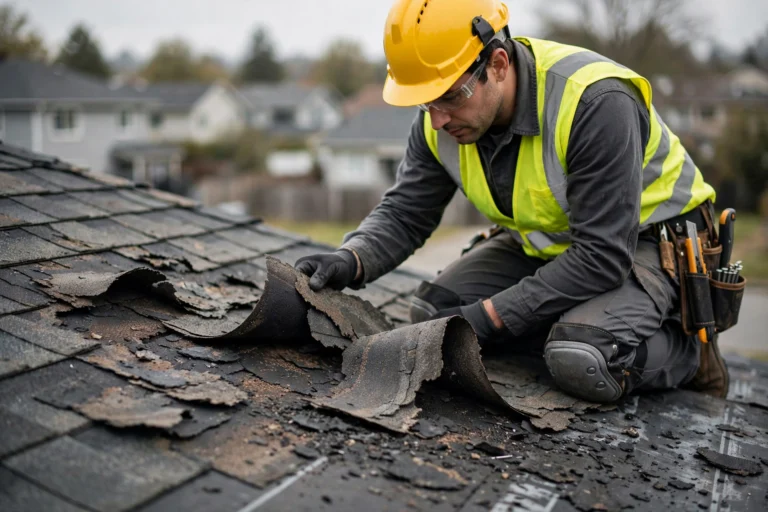
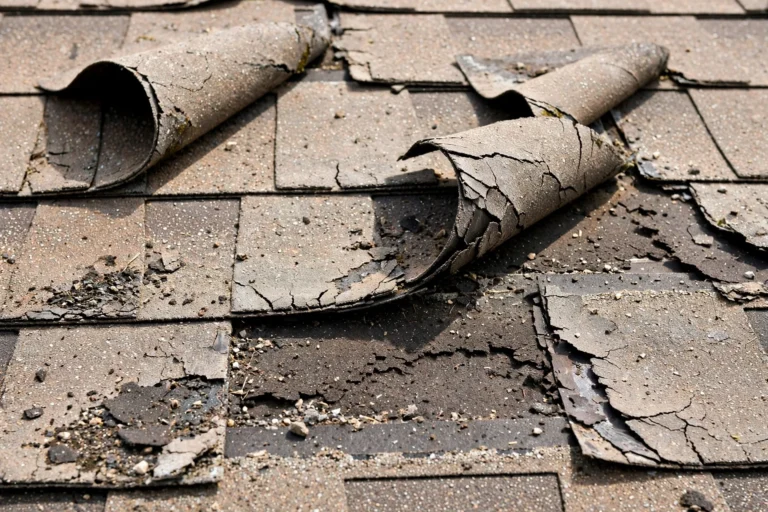
A roof is done when it shows several age signs at once: curling or cupping shingles, heavy granule loss, daylight through the attic boards, leaks in more than one place, or sagging. One leak in a young roof is a repair; the same leak in a 25-year-old asphalt roof is a replacement signal.
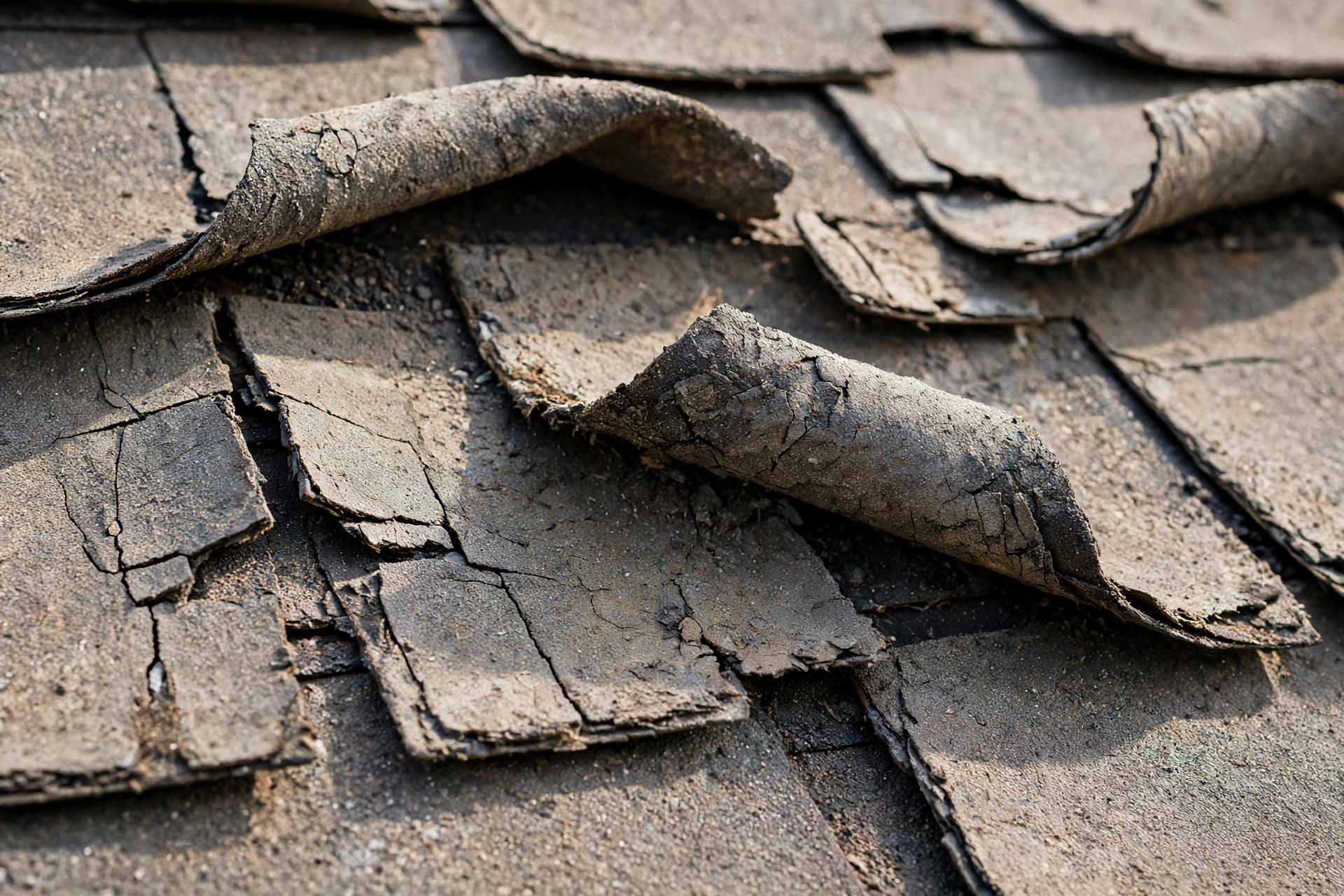
Walk through these signs in order. Curling shingles — edges turning up or centers cupping — mean the asphalt has dried out and the shingle can no longer shed water.
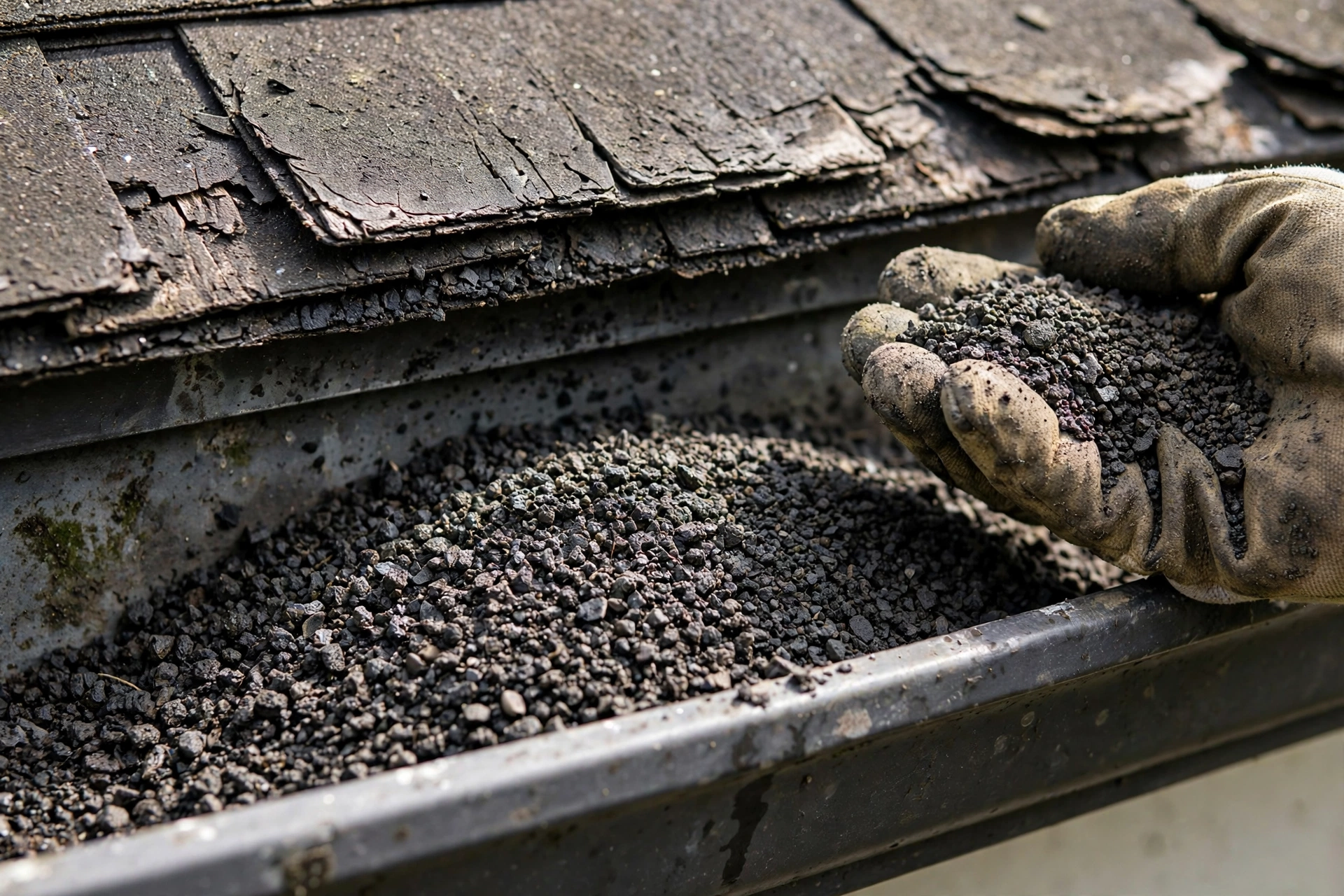
Granule loss shows up as bare patches on shingles and piles of sand-like granules in the gutters; granules are the shingle’s sun protection, and without them the asphalt bakes and cracks.
In the attic, look for daylight through the boards, water stains on the rafters, and damp insulation — all three mean water is already getting in.
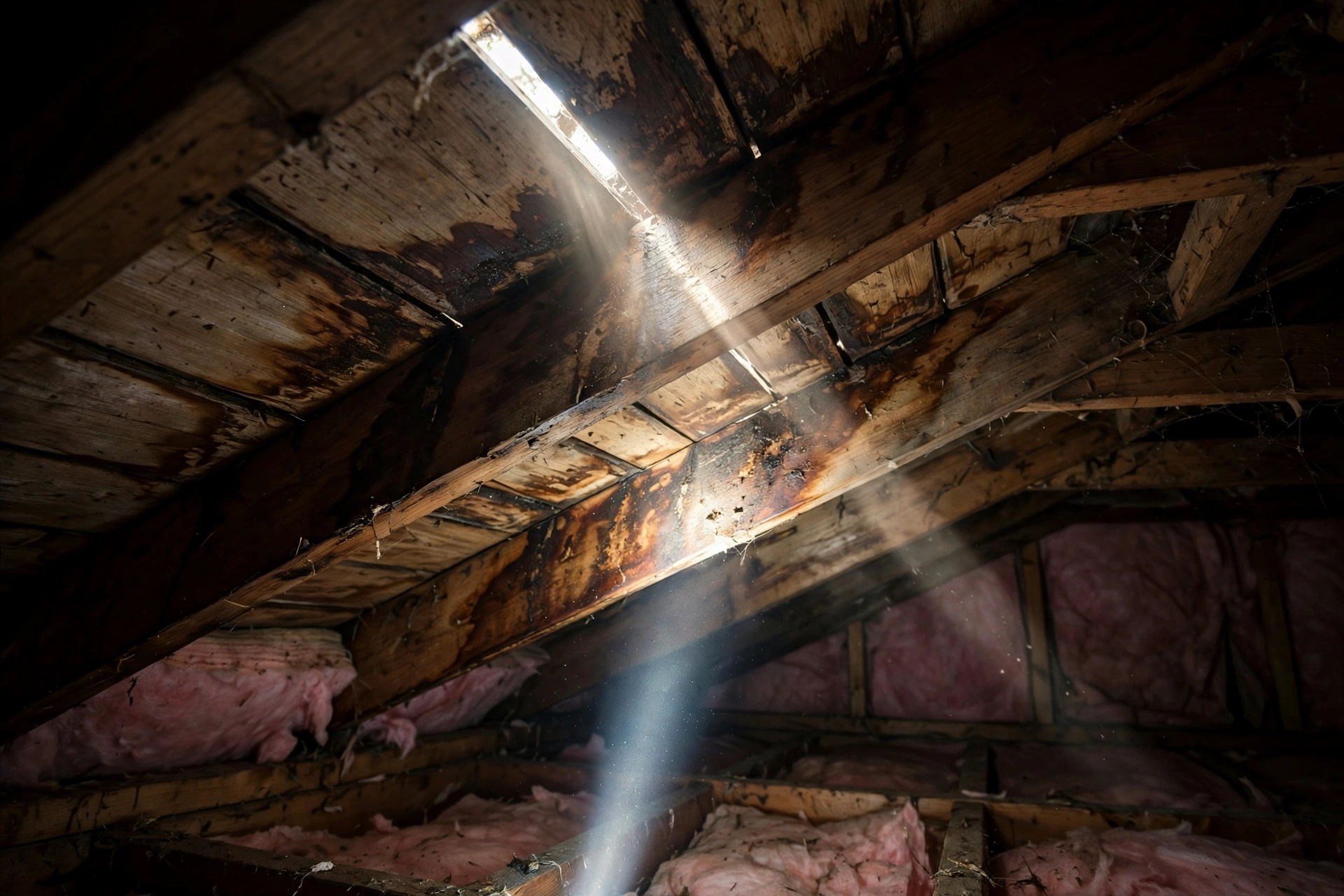
And if the roofline sags anywhere, stop and call a roofer immediately: sagging is a structural problem, not a wear problem.
| Sign | What it means | Repair or replace? |
|---|---|---|
| One missing shingle, young roof | Storm or wind damage | Repair |
| Curling across large areas | Asphalt dried out, end of life | Replace |
| Granules filling the gutters | Sun protection gone | Replace soon |
| Leak in one spot, roof under 15 years | Flashing or single-shingle failure | Repair |
| Leaks in two or more places | System-wide failure | Replace |
| Sagging roofline | Structural damage | Call a roofer now |
| Moss or algae only | Cosmetic, holds moisture | Clean + treat |
Should You Repair or Replace Your Roof?
Repair when the roof is well inside its lifespan and the damage is limited to one area; replace when the roof is near the end of its lifespan, the damage covers large areas, or repairs have already been done more than once. As a rule of thumb, if a repair costs more than about a quarter of a replacement, replacement is usually the better spend.
The math helps make the call. A $1,500 repair on a 10-year-old asphalt roof with 15 years left is a good buy. The same $1,500 repair on a 24-year-old roof buys a year or two before the next leak appears somewhere else — and the next repair, and the one after that, will cost as much again. A roofer who recommends a repair on a roof past its lifespan is selling you time you will pay for twice. Get two quotes before deciding, and ask each roofer the same question: how many years will this repair actually buy me?
How Much Does a Roof Replacement Cost?
A roof replacement on a typical single-family home costs $8,000–$16,000 for asphalt shingles, $18,000–$35,000 for metal, and $20,000–$60,000 for tile or slate, with labor making up about 60% of the total. The price rises with roof size, pitch, layers to remove, and local labor rates. Get a rough range for your roof with our roof cost calculator.

Get the quote in writing, itemized: materials, labor, tear-off of the old roof, disposal, flashing, and ventilation work. A quote that is much lower than the others usually leaves something out — most often the tear-off, which means the new shingles go over the old ones and the roof’s life is shortened from the start. Ask whether the price includes a warranty on both materials and workmanship, and for how long; a workmanship warranty under five years is a warning sign.
FAQ
How long does an asphalt shingle roof last?
Three-tab shingles last 15–20 years and architectural shingles 25–30, assuming proper installation and ventilation. Poor ventilation can cut 5–10 years off either number.
Does a metal roof really last 70 years?
It can — standing-seam metal roofs are rated 40–70 years, and many last longer with minimal maintenance. The painted finish may need recoating after 30 years, but the panels themselves outlast most other materials.
How long does a roof last in a hot climate?
Heat shortens asphalt life by a few years, because UV and high attic temperatures dry out the shingles faster. Metal and tile handle heat better, which is why they are common in hot regions.
Can a roof last longer than its rated lifespan?
Yes, with good ventilation, prompt repairs, and mild weather, a roof can outlast its rating by 5–10 years. But past the rating, inspections should be yearly, because failure can come quickly once the material is exhausted.
Does homeowners insurance cover a roof replacement?
Insurance usually covers sudden damage — hail, wind, a fallen tree — but not wear and tear or age. A 25-year-old roof that simply wore out is a maintenance cost, not a claim.
How often should a roof be inspected?
Once a year, and after any major storm. A professional inspection costs $150–$300 and catches the small problems — a lifted shingle, a cracked flashing — before they become leaks.
How long does a roof last in my area?
Climate shifts the range more than the state line does. Hot southern regions and storm zones can cut an asphalt roof to around 15–20 years, while cooler, drier regions run longer. Ventilation and installation quality matter more than where you live — a well-ventilated roof in a hot climate can outlast a poorly ventilated one in a mild one.
Do copper roofs really last 200 years?
Yes — copper roofs last 100–200 years or more, because the green patina that forms on copper protects it instead of destroying it. But copper is a premium price and a theft target, so it is a niche choice for most homes, not a standard one. For most homeowners, metal or tile gives the long life without the copper cost.
Does slate hold up in hail?
Slate resists hail well — it is stone, and most hail bounces off it. But individual tiles can crack in a hard storm, and each cracked tile is pricey to replace, since slate work needs a specialist. Budget for occasional tile work over the roof’s life, and inspect it after any major hailstorm.