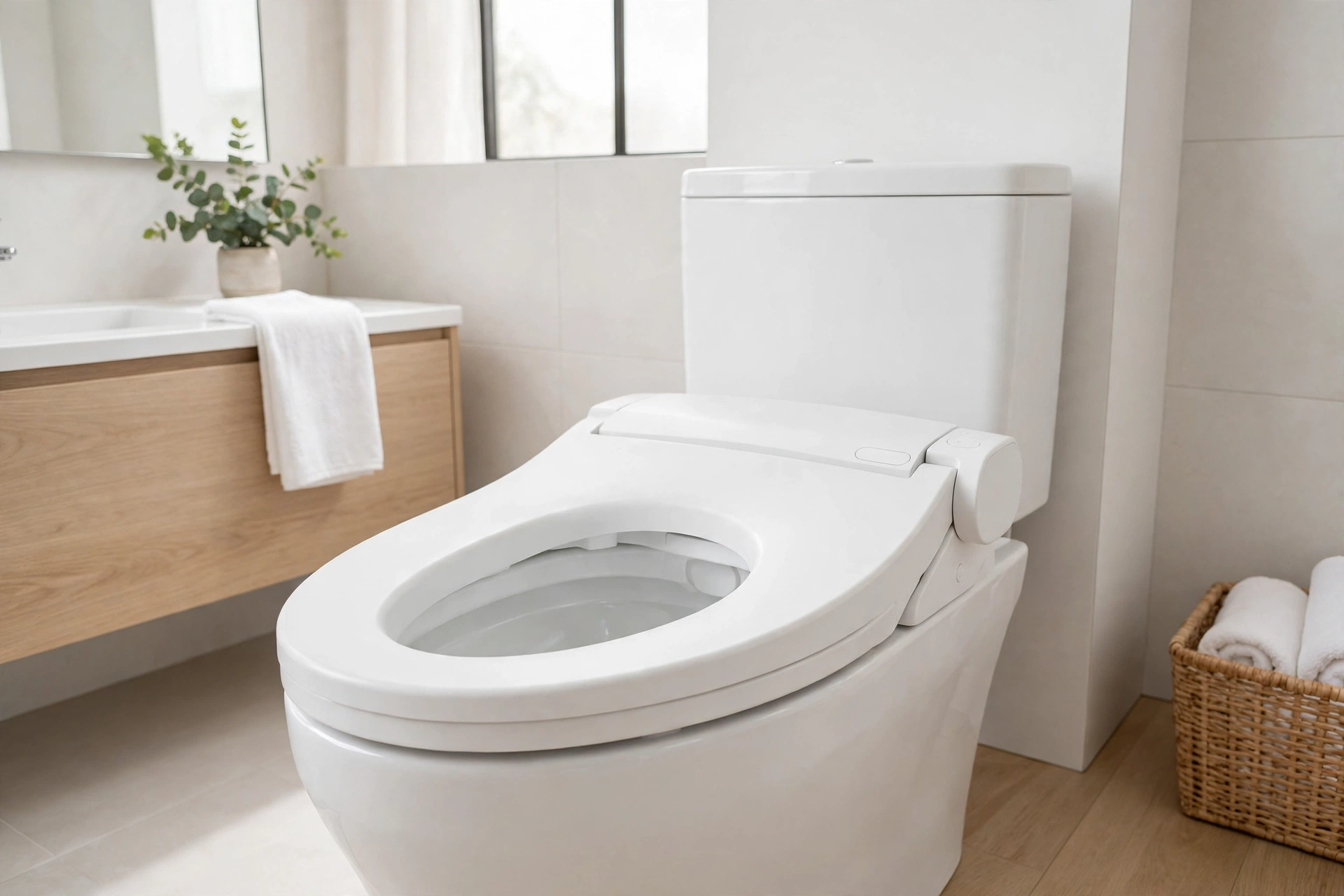
The Best Bidet Toilet Seat for Your Bathroom: Top-Rated Picks Compared
TL;DR
If you want the best bidet toilet seat for most homes, buy a mid-range electric model with endless warm water, a heated seat, and a wireless remote. It costs roughly $300 to $500, installs in about 30 minutes, and cuts paper use sharply. Renters and tight budgets should start with a non-electric seat instead.
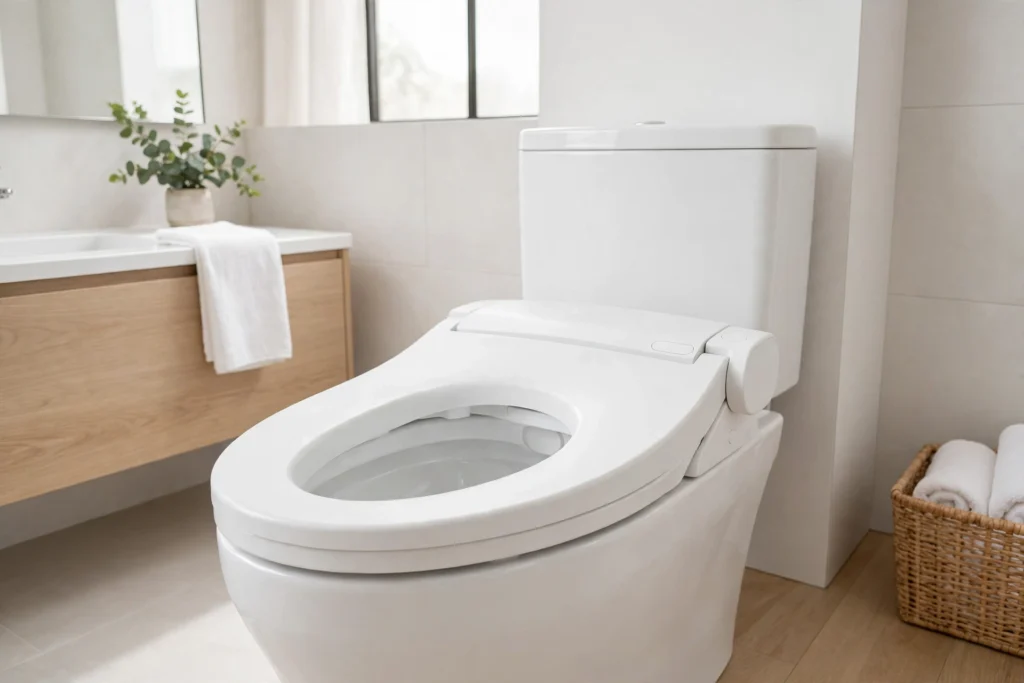
A bidet seat turns an ordinary toilet into a cleaner, more comfortable bathroom upgrade, and the best bidet toilet seat for your home depends on three things: your budget, whether you have an outlet nearby, and the shape of your bowl. Get those three right and the rest is comfort. Get one wrong and even a premium seat will disappoint.
Plumbing upgrades like this one pay off daily, but they also reward a little prep work before you buy. If your toilet has been acting up — weak flushes, phantom running, or frequent clogs — sort that out first, because a new seat will not fix a struggling toilet. Our guide to why your toilet keeps clogging walks through the nine most common causes and their fixes.
This guide compares the best bidet toilet seat options by budget, explains the electric versus non-electric choice in plain language, and walks through fit, installation, and maintenance step by step. Every price here is a rough planning estimate, not a quote, and every model named is a real product you can check yourself before buying.
What Is the Best Bidet Toilet Seat for Most Homes?
For most homes, the best bidet toilet seat is a mid-range electric model with endless warm water, a heated seat, and a wireless remote, because it covers comfort and hygiene without the luxury price tag. Models in the 300 to 500 dollar range hit the sweet spot, while a non-electric seat suits renters and tight budgets.
The mid-range electric seat wins for most buyers because it includes the three features people actually notice every day: warm water that never runs cold, a heated seat on winter mornings, and pressure you can adjust from a remote. Cheaper electric seats often use a small tank that cools mid-wash, while luxury seats add a dryer and deodorizer you may barely use. That is why the best bidet toilet seat for most homes sits in the middle of the price range, not at the top.
Electric or Non-Electric: Which Type Should You Choose?
Choose an electric bidet seat if you have a grounded outlet within a few feet of the toilet and want warm water, a heated seat, and a dryer. Choose a non-electric seat if you rent, have no outlet nearby, or want the cheapest start, since it runs on water pressure alone and installs in minutes.
| Type | Rough cost | Warm water | Install time | Best for |
|---|---|---|---|---|
| Non-electric seat | $30–$150 | Cold only | 10–20 minutes | Renters, tight budgets |
| Electric seat | $150–$700+ | Yes, adjustable | 20–60 minutes | Daily comfort, cold climates |
| Bidet attachment | $30–$100 | Cold only | About 10 minutes | First-timers, rentals |
The real difference is not cleaning power — both types wash you clean. It is comfort and control: electric seats heat the water on demand, warm the seat, and let you fine-tune pressure and nozzle position from a remote or side panel, which matters most in cold climates and for older family members. Shoppers hunting for the best bidet toilet seat on a tight budget usually start non-electric, then upgrade later once they love the wash.
One honest trade-off: electric seats need a grounded GFCI outlet within three to four feet of the toilet, and many older American bathrooms simply do not have one. Adding one costs roughly $150 to $300 from an electrician — a rough planning estimate, not a quote. If that surprises you, the best bidet toilet seat for you today is a non-electric one, and that is a perfectly good answer.
How Much Does a Bidet Toilet Seat Cost?
A good bidet toilet seat costs between 30 and 700 dollars, depending on type and features. Non-electric seats run about 30 to 150 dollars, mid-range electric seats cost roughly 250 to 450 dollars, and premium electric seats with dryers and remotes run about 450 to 700 dollars or more.
| Pick | Type | Rough cost | Standout feature |
|---|---|---|---|
| Budget pick | Non-electric seat | $30–$80 | Simple, reliable wash |
| Best value electric | Electric seat | $250–$450 | Warm water, heated seat, remote |
| Premium pick | Electric seat | $400–$600 | Self-cleaning nozzle, dryer |
| Luxury pick | Electric seat | $600–$1,000+ | Auto open and close, deodorizer |
At the budget end, a non-electric seat from Bio Bidet or Brondell gives a solid wash for the price of a few weeks of toilet paper. The best bidet toilet seat value in the mid-range comes from electric models like the Alpha Bidet JX2 and the SmartBidet SB-2000, which pack warm water, a heated seat, and a remote into the $250 to $450 band. At the premium end, the TOTO Washlet C5 is the most recommended name in buyer guides, while the Washlet S7A and Bio Bidet BB2000 Bliss lead the luxury tier with dryers, night lights, and deodorizers.
Do not forget the running costs. An electric seat adds a few dollars a month to your power bill, and most households save far more on toilet paper — many owners report cutting paper use by half or more. The best bidet toilet seat for a family also earns its keep this way, since four or five daily users multiply the paper savings fast. A plumber visit for a tricky install runs roughly $100 to $200, and a new GFCI outlet roughly $150 to $300, both rough planning estimates, not quotes.
How Hard Is It to Install a Bidet Toilet Seat?
Installing a bidet seat is a straightforward do-it-yourself job for most people, taking about 15 to 30 minutes with a wrench and a screwdriver. You remove the old seat, fit the mounting plate, connect the T-valve to the toilet water supply, and plug in the cord if the seat is electric.
Start by turning off the water at the shut-off valve and flushing to empty the tank. Remove the old seat, bolt the mounting plate to the bowl, and connect the T-valve between the supply line and the fill valve — the step that worries first-timers, though it is just a threaded fitting and a wrench. Hand-tighten first, then give it a quarter turn and check for drips before you sit down.
Electric seats add one step: plugging in. The cord must reach a GFCI outlet without an extension cord draped across the floor, so measure before you buy — water and extension cords do not mix. Most people find installing the best bidet toilet seat takes less time than assembling flat-pack furniture, and the only tool you truly need is an adjustable wrench.

PRO TIP
Test-fit the seat and check the outlet distance before you open the box. A seat that cannot reach power goes back unopened, which keeps the return simple and free.
How Do You Check If a Bidet Seat Will Fit Your Toilet?
Measure the distance from the center of the mounting holes to the front edge of the bowl, then match that number to the seat size. Round bowls measure about 16.5 inches and need a round seat, while elongated bowls measure about 18.5 inches and need an elongated seat.

Most American toilets are elongated, but round bowls are common in older homes and small bathrooms, and the two shapes are not interchangeable. A round seat on an elongated bowl leaves an awkward gap at the front, while an elongated seat on a round bowl overhangs the rim. The best bidet toilet seat for your bathroom is the one that matches your bowl shape exactly, not the one with the longest feature list.
Also check the bolt spread and the space behind the toilet: standard mounting holes sit about 5.5 inches apart, and most seats need at least two inches of clearance behind the bowl for the hinge and water connection. One-piece toilets and French-curve bowls can be tricky, so check the maker’s fit guide before ordering — and remember the best bidet toilet seat is useless if it cannot bolt down squarely on your bowl.
PRO TIP
Photograph your toilet from above with a tape measure across the bowl before you shop. The photo settles round-versus-elongated arguments instantly and helps any support team confirm the fit.
What Features Are Actually Worth Paying For?
Warm water, adjustable pressure, a heated seat, and a self-cleaning nozzle are the features worth paying for, because you will use them every single day. A warm-air dryer, night light, and deodorizer are pleasant extras, but skip them if they push the price past your budget.

Warm water tops the list because it turns a bidet from a novelty into a daily habit, especially in winter. A self-cleaning nozzle matters too — it rinses itself before and after each use, which keeps the spray hygienic without extra work. The best bidet toilet seat for a busy household pairs those two with a heated seat and a remote that stores settings for two users, so nobody re-programs the spray every morning.
Nice extras include a warm-air dryer, which cuts paper use to almost nothing, an LED night light, and a deodorizer. Skip the gimmicks: built-in speakers, phone apps, and auto-open lids impress guests once and rarely change daily life. When you compare models, the best bidet toilet seat is usually the one with the strongest heater and the simplest controls, not the longest feature list.
Which Bidet Seat Is Best for Renters and Small Bathrooms?
Renters and small bathrooms do best with a slim non-electric seat or a compact electric seat that needs no permanent changes. Both install with the existing water supply and come off cleanly when you move, so your deposit stays safe and the bathroom keeps its original seat.
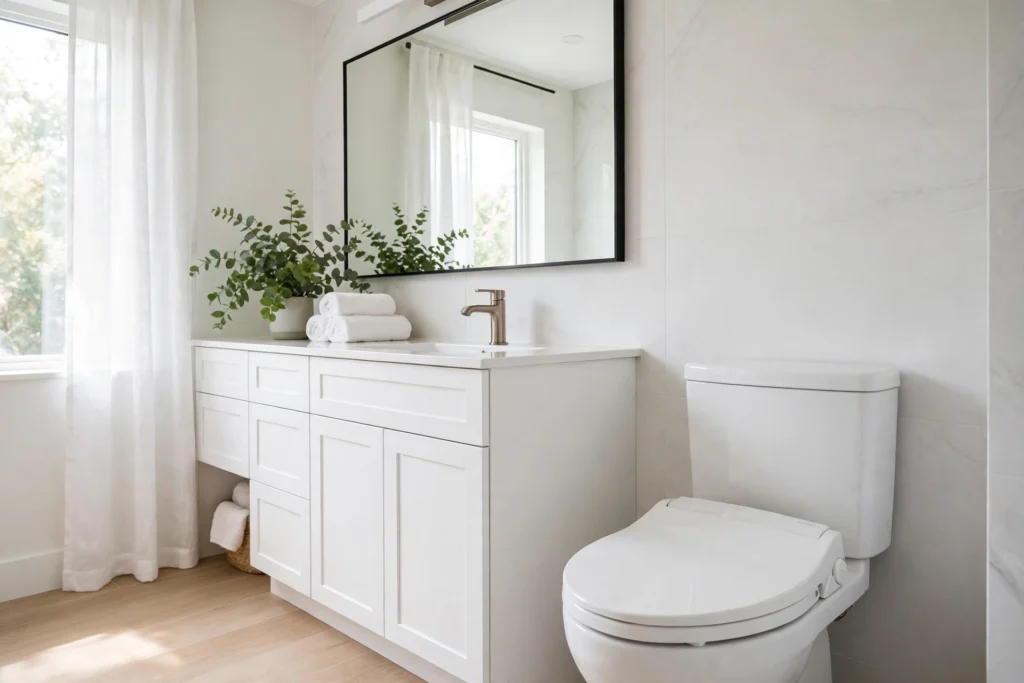
A slim non-electric seat is the renter classic: it costs roughly $30 to $80, installs in about ten minutes, and leaves no trace when you move out. The best bidet toilet seat for a rental is one you can remove in minutes and take to the next place, so favor light models with a simple T-valve connection and no wall mounting. If you own the home but the bathroom is tiny, a compact electric seat with a side panel — instead of a wall-mounted remote — saves space and skips the remote holder entirely.
Landlords rarely object because a bidet seat is a seat swap, not a plumbing change — but check your lease and keep the original seat in a closet for moving day. In a small bathroom, measure the door swing too: a seat that sticks out past the bowl can block a tight door. If the whole room needs work, our small bathroom remodel cost breakdown shows what a full refresh runs by size and scope, and the best bidet toilet seat still fits that plan as a small, high-impact upgrade.
How Do You Clean and Maintain a Bidet Toilet Seat?
Clean a bidet seat by wiping the seat and nozzle area weekly with a soft cloth and mild soap, then running the nozzle self-clean cycle if your model has one. Avoid bleach and abrasive cleaners, descale the nozzle every few months in hard-water homes, and check the filter regularly.
Most electric seats run a self-clean cycle on the nozzle, but the seat itself still needs a weekly wipe with mild soap — never bleach, which can crack plastic and damage seals. In hard-water homes, descale the nozzle every two to three months with a vinegar soak and rinse the inlet filter twice a year so the spray stays strong. The best bidet toilet seat stays reliable for years when the filter is clean, so treat that five-minute job as part of the routine.
Watch for two warning signs: a spray that weakens over weeks, which usually means a clogged filter or scale, and any drip at the T-valve, which means the fitting needs a quarter turn or a fresh washer. Fix drips the same day — a slow leak behind a toilet can rot a subfloor quietly for months. A well-kept seat is the best bidet toilet seat you already own, so a little maintenance beats an early replacement every time.
Frequently Asked Questions
Yes, for most households. A bidet seat cuts toilet paper use sharply, feels cleaner than paper alone, and adds daily comfort for a one-time cost. The best bidet toilet seat pays for itself in paper savings within a year or two, and most owners say they would not go back to paper alone.
Electric models do — they need a grounded GFCI outlet within a few feet of the toilet. Non-electric models run on water pressure alone and need no power at all, which makes them the right choice for rentals and bathrooms without a nearby outlet.
Almost certainly, if you buy the right shape. Measure from the mounting holes to the front of the bowl: about 16.5 inches is round, about 18.5 inches is elongated. Match the seat shape to that number and check the bolt spread before ordering.
No. A typical wash uses roughly a pint of water, far less than the water used to make the paper it replaces. Electric seats use a small amount of power to heat the water, usually a few dollars a month.
Yes, most people can. A non-electric seat takes about 10 to 20 minutes with a wrench, and an electric seat adds only plugging in. Call a plumber only if the shut-off valve is stuck or the T-valve leaks after tightening.
A quality seat lasts about five to ten years with basic care. Non-electric seats often last longer because they have no electronics to fail, while electric seats may need a nozzle or seal replaced after several years of daily use.
Final Thought
The right bidet seat is the one that fits your bowl, your budget, and your bathroom — in that order. Measure the bowl, check for an outlet, then spend the middle money on warm water and a heated seat. The best bidet toilet seat is not the most expensive one; it is the one you will enjoy using every morning. If your water heater is aging too, our water heater replacement cost guide breaks down what a new unit runs before you plan the next upgrade.