How to Get Rid of German Cockroaches (Without Making It Worse)
TL;DR
How to get rid of German cockroaches? Do not spray them — bait them. Gel bait in pea-sized dots, an insect growth regulator so survivors cannot breed, boric acid dust in wall voids, and caulked cracks beat every spray. Sprays scatter the colony into the walls and breed bait-shy survivors.

You sprayed the kitchen, and a week later there are more roaches than before. That is not bad luck — it is how to get rid of German cockroaches done backwards. This guide to how to get rid of German cockroaches explains the bait-first method that actually works — gel bait, an insect growth regulator, boric acid, and sealed cracks — plus the apartment rule that decides whether any of it lasts. Prices below are rough planning estimates, not quotes.
Before anything else, confirm what you are fighting. German cockroaches are small — half an inch to five-eighths of an inch — light brown, with two dark stripes behind the head. Knowing what attracts cockroaches helps too: food crumbs, grease, standing water and warm appliances pull them in, and cutting those off is the first step of any plan — and the first step of how to get rid of German cockroaches is knowing which roach you have.
How to Get Rid of German Cockroaches: Why Do Sprays Make It Worse?
Sprays and foggers make a German cockroach problem worse because they scatter the colony into wall voids and teach survivors to avoid bait. The roaches that survive a spray breed bait-shy young, so the next treatment works even less. Gel bait and an insect growth regulator kill the colony quietly, without scattering it.
A spray is a repellent: it lays down a chemical barrier that roaches can smell, and the ones it does not kill run from it — into the walls, into the next room, into the neighbour’s kitchen. A fogger is worse: it fills the room with repellent and pushes the whole colony deep into the voids, where no spray can reach them, and the survivors breed young that inherit the avoidance. Gel bait works the opposite way: it is food, not a repellent. A roach eats a pea-sized dot, walks back to the colony, and dies there; other roaches eat the dead roach and die too. That is why the answer to how to get rid of German cockroaches starts with putting the spray can down.
How Do You Know You Have German Cockroaches (Not American)?
German cockroaches are small — half an inch to five-eighths of an inch — light brown, with two dark stripes behind the head, and they live in kitchens and bathrooms. American cockroaches are much larger, one to two inches, reddish brown, and they come from sewers and drains. Size and stripes are the fastest way to tell them apart.
Identification matters because the two roaches need different fixes, and getting the ID wrong is the most common reason how to get rid of German cockroaches fails. German cockroaches live where you cook and wash — behind the stove, under the sink, in the bathroom — and they breed fast: one egg case holds 30 to 40 young, and a female makes several cases, so a small sighting can become a large problem in a month. If you see roaches in daylight, the population is large, because German cockroaches are nocturnal and daytime sightings mean the hiding spots are full — and that is the second clue that how to get rid of German cockroaches is the job in front of you.

| Feature | German cockroach | American cockroach |
|---|---|---|
| Size | 1/2–5/8 inch | 1–2 inches |
| Colour | Light brown, two dark stripes | Reddish brown, no stripes |
| Where it lives | Kitchen, bathroom | Sewers, drains, basements |
| Breeding speed | Very fast (30–40 per egg case) | Slower |
| Main fix | Gel bait + IGR | Seal drains, dry damp areas |

Where Do German Cockroaches Hide in a Kitchen?
German cockroaches hide in warm, damp, tight places near food and water: behind the stove and fridge, under the sink, inside cabinet hinges, behind the dishwasher, and in the cracks around the backsplash. They cluster where the wall meets the counter and where pipes enter the wall. Check these spots first with a flashlight at night.
The best time to look is two hours after dark, when the kitchen is quiet. Walk in, turn on the light, and watch where they run — they will run toward the cracks, and the cracks they run to are the cracks that matter. Open the cabinet doors and look at the hinges and the corners where the shelf meets the wall, pull the fridge out a few inches and look at the motor housing, and check the dishwasher’s sides and the gap between the counter and the wall. Knowing where they hide is half of how to get rid of German cockroaches, because bait placed anywhere else is bait wasted.

What Is the Best Gel Bait for German Cockroaches?
The best gel bait for German cockroaches is a fipronil or indoxacarb gel, applied as pea-sized dots in cracks and crevices where roaches travel. The roaches eat the bait and carry it back to the colony, so one dot can kill several. Rotate between two bait types every few weeks so the colony does not learn to avoid one flavour.
The brand matters less than the active ingredient and the rotation, and that is the core of how to get rid of German cockroaches with bait. Fipronil and indoxacarb are the two workhorses, and both kill slowly enough that a poisoned roach gets home before it dies — which is exactly what you want, because the colony eats the dead roach and the poison spreads. For the full comparison, our bait vs spray for roaches guide explains why bait wins for German roaches and when a spray has any place at all.
How Do You Apply Gel Bait So It Actually Works?
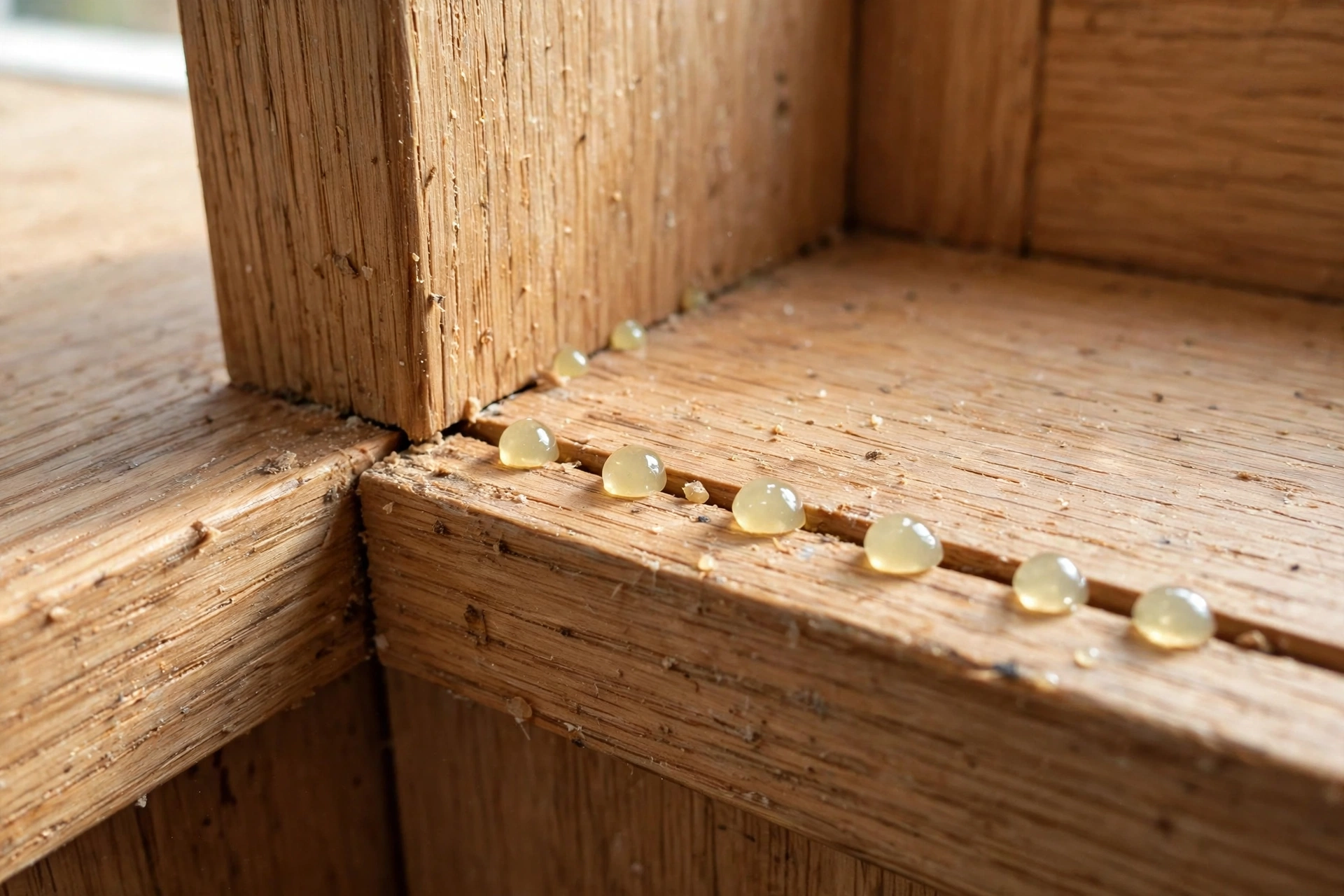
Apply gel bait as pea-sized dots every two feet along the places roaches travel — inside cabinet hinges, behind the stove, under the sink and along the backsplash. Keep dots small and many, not one big blob. Replace dots that dry out or get eaten, and do not spray near the bait or the roaches will avoid it.
Placement is the whole skill, and how to get rid of German cockroaches comes down to placement more than to product. A pea-sized dot every two feet sounds fussy, but it matches how roaches travel: they run along edges, in the corner where the wall meets the counter, along the hinge line of a cabinet door, and around the pipe where it enters the wall. Put a dot at each of those edges — inside the hinge itself is one of the best spots, because roaches hide in hinges all day and the bait is right where they sleep. Three rules decide whether the bait works: many small dots beat one big blob; never spray near bait; and keep the kitchen clean while you bait, because crumbs and grease are competing food. Wipe the counters, empty the bins at night, and fix the dripping tap — the bait should be the easiest meal in the room, and that is the second half of how to get rid of German cockroaches.
PRO TIP
Bait at night, when roaches are active, and check the dots with a flashlight two hours after dark. If a dot is half gone, that spot is a highway — add two more dots nearby. If a dot is untouched after a week, move it six inches along the same edge.
What Does an Insect Growth Regulator Do?
An insect growth regulator, or IGR, stops young cockroaches from growing into breeding adults, so the colony dies out instead of replacing itself. It does not kill roaches on contact — it breaks the breeding cycle over weeks. Used with gel bait, it is what turns a knockdown into a colony that stays gone.
Think of the IGR as the second half of the treatment. Gel bait kills the roaches that are alive today; the IGR makes sure the roaches that hatch tomorrow never become parents. Young roaches exposed to an IGR grow into adults with twisted wings that cannot breed, or they die trying to moult, and the colony does not collapse in a day — it collapses over six to eight weeks, as the old roaches die and no young ones replace them. That slow collapse is the point: a fast kill leaves eggs behind, and eggs hatch into a fresh colony. How to get rid of German cockroaches for good needs the IGR, not just the bait.
Boric acid dust is the third leg: a thin puff into wall voids, behind the fridge motor and under the dishwasher, where it sits for months and kills any roach that walks through it.
How Long Does It Take to Get Rid of German Cockroaches?
A light German cockroach problem takes two to three weeks of baiting to clear, and a heavy infestation takes six to eight weeks. You will see fewer roaches in the first week, then a second wave as eggs hatch — that is normal, not failure. Keep bait fresh through the second wave or the colony rebuilds.
Week one: fewer roaches at night, because the bait is working. Week two: almost none — and this is where most people stop, throw the tube away, and declare victory. That wave is not a new infestation; it is the old one finishing. Keep baiting through it, keep the IGR going, and the wave dies without breeding — stop at week two and the wave breeds, and you are back to the start. How to get rid of German cockroaches for good is a six-to-eight-week commitment, not a weekend job: bait on day one, replace dried dots on day seven, switch bait flavour on day twenty-one, and reapply the IGR monthly.
| Stage | What you should see | What to do |
|---|---|---|
| Week 1 | Fewer roaches at night | Keep dots fresh, clean counters nightly |
| Week 2–3 | Almost none, then a small wave | Do NOT stop — the wave is hatching eggs |
| Week 4–6 | Wave dies off, no new roaches | Switch bait flavour, reapply IGR |
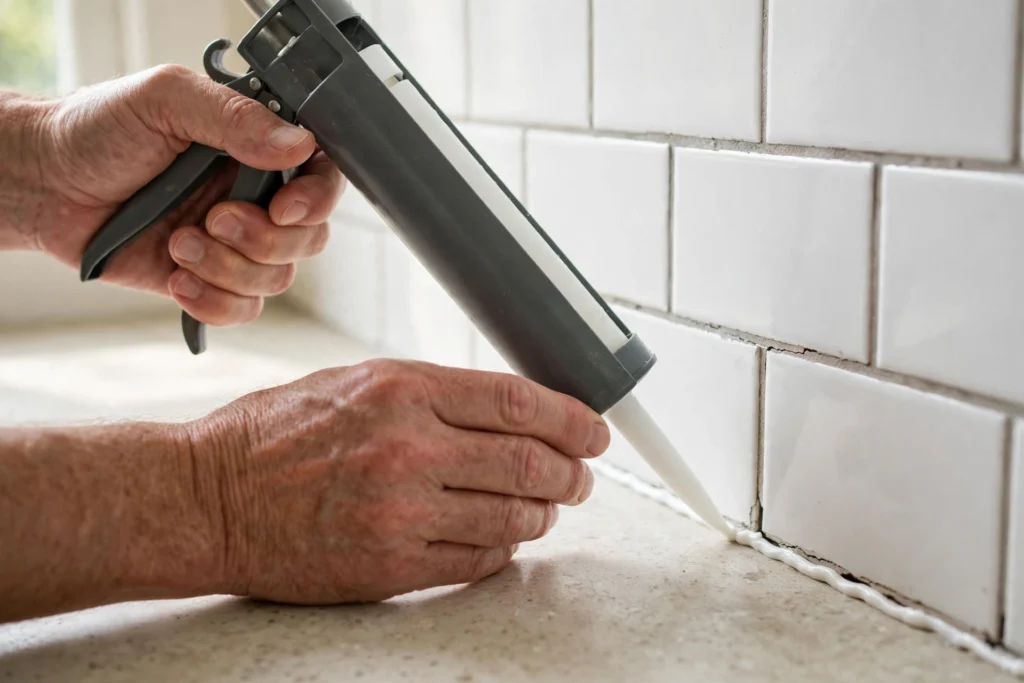
| Week 6–8 | Zero sightings for 2 weeks | Seal cracks, keep monitoring with traps |
When Should You Call a Pro for German Cockroaches?
Call a pro when baiting for three weeks has not cut the numbers, when roaches are in several rooms, or when you live in an apartment and the neighbours will not treat with you. A pro brings stronger baits, an IGR and a building-wide plan. Expect a pro treatment to cost $150–$400, with follow-ups included.
The apartment case is the one that most often needs a pro, and it is where how to get rid of German cockroaches stops being a DIY job. German cockroaches move through shared walls, and if your neighbour’s kitchen is the source, your baiting will never finish the job. A pro can treat the whole building — or at least the units around yours — in one coordinated round, and that is the only version of the job that holds. If you need a pro, pestexpertpro.com can help with a German roach inspection and a building-wide plan.
PRO TIP
Put glue traps along the runways before you start baiting and count the catch every week. A falling count proves the bait is working; a flat count at week three tells you to change something — usually the bait flavour or a food source you missed.
Frequently Asked Questions
How do you get rid of German cockroaches without spraying?
Use gel bait in pea-sized dots along the edges roaches travel, an insect growth regulator to stop the young from breeding, and boric acid dust in wall voids. Clean the kitchen nightly so the bait is the easiest meal, and seal cracks with caulk. That is the short version of how to get rid of German cockroaches.
Why do German cockroaches keep coming back?
They come back because eggs hatch after the first treatment, because a neighbour’s unit is the source, or because a spray scattered them into the walls. Keep baiting through the second wave at week three, rotate bait flavours, and treat the whole building if you live in an apartment. The second wave is the part of how to get rid of German cockroaches most people quit on.
Are German cockroaches dangerous?
They do not bite, but they spread bacteria across food surfaces and their droppings and shed skins trigger asthma and allergies, especially in children. A heavy infestation is a real indoor-air problem, not just a nuisance.
What is the best bait for German cockroaches?
A fipronil or indoxacarb gel bait, applied as pea-sized dots every two feet in cracks and crevices. Rotate between two bait types every few weeks so the colony does not develop bait aversion. Pair the bait with an insect growth regulator so the next generation cannot breed. That rotation is the quiet half of how to get rid of German cockroaches.
Do German cockroaches live in clean houses?
Yes. German cockroaches need warmth, moisture and a few crumbs — not filth. A clean house with a warm stove, a dripping tap and a shared apartment wall can still host a colony. Cleanliness helps the bait work, but it does not prevent roaches on its own.
How much does pro German cockroach treatment cost?
A pro treatment usually runs $150–$400, with follow-up visits included, and a building-wide program is priced per job. Prices are rough planning estimates, not quotes — and that price gap is why most people try how to get rid of German cockroaches themselves first.
Final Thought
How to get rid of German cockroaches comes down to one decision: bait, don’t spray. Gel bait in pea-sized dots, an insect growth regulator to break the breeding cycle, boric acid in the voids, and caulked cracks — kept going for six to eight weeks, through the second wave — clears a colony that sprays only scatter.
Author: Marcus Bell writes the pest-control guides for SilkStoneHome, covering identification, safe removal and when to call a pro.